Spicy Kani Sushi Roll-Easy Delicious Crab Recipe
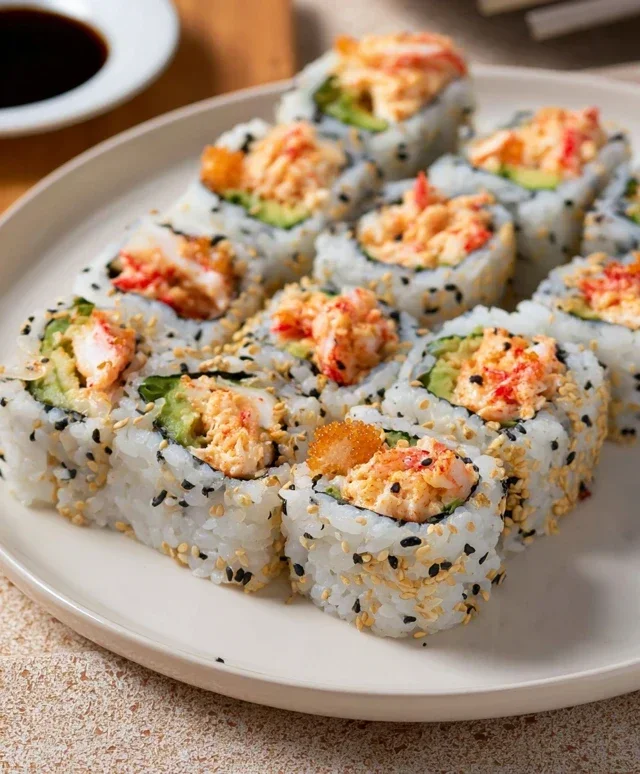
Kani sushi, often known as the spicy crab roll, is a beloved staple in sushi restaurants worldwide, and for good reason! This vibrant and flavorful creation has captured the hearts (and taste buds) of sushi enthusiasts everywhere. What makes the Kani sushi so undeniably special? It’s that irresistible combination of creamy, tender imitation crab meat, tossed in a fiery sriracha-mayonnaise dressing, all rolled up with perfectly seasoned sushi rice and a crisp layer of nori. It offers a delightful balance of textures and tastes – a little bit spicy, a little bit creamy, and wonderfully satisfying. Whether you’re a seasoned sushi lover or just dipping your toes into the world of Japanese cuisine, this spicy crab roll is an absolute must-try. Join me as we dive into creating this iconic Kani sushi right in your own kitchen!
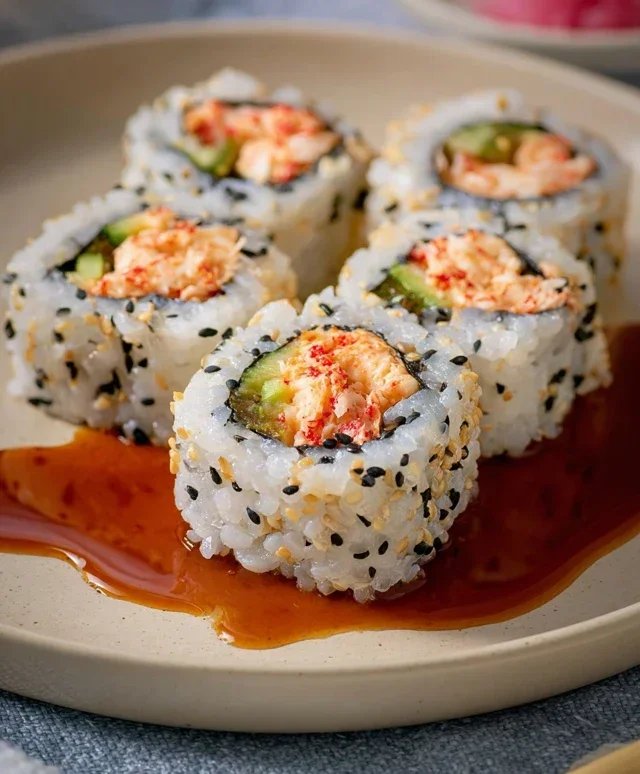
Kani Sushi (Spicy Crab Roll)
There’s something incredibly satisfying about making your own sushi at home, and the Kani Sushi, or Spicy Crab Roll, is a fantastic place to start. It’s vibrant, flavorful, and surprisingly straightforward to assemble once you get the hang of it. The creamy, slightly spicy crab filling encased in perfectly seasoned sushi rice and crisp nori is a combination that never disappoints. Whether you’re a sushi novice or a seasoned home chef, this recipe will guide you through creating these delicious rolls that are perfect for a weeknight treat, a party appetizer, or a fun culinary adventure. Let’s get started!
Ingredients:
Preparing the Sushi Rice
The foundation of any great sushi roll is perfectly cooked and seasoned rice. This is where we’ll begin extract.
1. Rinsing and Cooking the Rice: Start by thoroughly rinsing the short-grain sushi rice. Place the uncooked rice in a fine-mesh sieve and rinse it under cold running water, swishing it around with your hands. Continue rinsing until the water runs clear. This step is crucial for removing excess starch, which will prevent the rice from becoming gummy. Drain the rice well and transfer it to a medium saucepan. Add the 2 cups of water. Bring the water to a boil over medium-high heat. Once boiling, immediately reduce the heat to the lowest setting, cover the saucepan tightly, and let it simmer for 15-20 minutes, or until all the water has been absorbed. Do not lift the lid during this time, as the steam is essential for cooking the rice properly. After simmering, remove the saucepan from the heat and let it stand, covered, for another 10 minutes. This resting period allows the rice to finish cooking and become fluffy.
2. Seasoning the Sushi Vinegar: While the rice is resting, prepare the sushi vinegar. In a small bowl, combine the 3 tablespoons of unseasoned rice vinegar, 1 tablespoon of granulated sugar, and 1 teaspoon of salt. Whisk these ingredients together until the sugar and salt are completely dissolved. You can gently warm this mixture if needed to help the salt and sugar dissolve faster, but be careful not to boil it.
3. Seasoning the Rice: Once the rice has rested, transfer the hot, cooked rice to a large, shallow, non-metallic bowl (a wooden or glass bowl is ideal). This is called a “hangiri” in Japanese, but any wide bowl will work. Gently break up any clumps of rice with a rice paddle or a wide spatula, using a cutting motion rather than stirring to avoid mashing the grains. Gradually drizzle the prepared sushi vinegar mixture over the rice, spreading it evenly. Continue to gently fold and cut the rice with your paddle, fanning it simultaneously with a piece of cardboard or a fan if you have one. Fanning helps to cool the rice quickly and gives it a glossy sheen. Continue this process until the vinegar is fully incorporated and the rice is cool enough to handle, but still warm. The rice should be sticky but not mushy, with distinct grains.
Assembling the Spicy Crab Filling
Now for the star of the show – the spicy crab mixture. This is where we add that delicious kick.
4. Creating the Spicy Crab Mixture: In a medium bowl, combine the 9 sticks of thinly sliced imitation crab meat. Shred the crab meat into smaller, bite-sized pieces. Add the 1/4 cup of Kewpie mayonnaise, 1 tablespoon of sriracha, 1/2 teaspoon of lime juice, and 1/8 teaspoon of sesame oil. Mix everything together gently but thoroughly until all the crab meat is evenly coated in the spicy mayo mixture. Taste a small bit of the filling and adjust the sriracha or lime juice if you prefer it spicier or tangier. The Kewpie mayonnaise is a Japanese brand known for its richer, creamier texture and slightly sweet flavor, which complements the crab beautifully.
Rolling the Kani Sushi
This is the most hands-on part, and with a little practice, you’ll be rolling like a pro.
5. Constructing the Rolls: Prepare your rolling station. You’ll need a clean work surface, your prepared sushi rice, the spicy crab filling, thinly sliced avocado, julienned Persian cucumbers, and your halved Nori sheets. Place a sheet of Nori, shiny side down, on a bamboo sushi mat (makisu). If you don’t have a bamboo mat, you can use parchment paper or plastic wrap, though a mat makes it easier to get a tight roll. Wet your hands slightly with water (this prevents the rice from sticking) and spread about 1/3 to 1/2 cup of the seasoned sushi rice evenly over the Nori sheet, leaving about a 1-inch border at the top edge. Sprinkle the rice with toasted sesame seeds if desired. Along the bottom third of the rice-covered Nori, arrange a line of the spicy crab filling. Then, place a few slices of avocado and a couple of strips of julienned cucumber over the crab filling.
6. The Rolling Technique: Using your thumbs and index fingers, lift the edge of the bamboo mat closest to you, and roll it up and over the filling, pressing gently to enclose it. As you roll, tuck in the filling with your fingers. Continue rolling the mat forward, applying even pressure to create a compact cylinder. Once you’ve rolled the entire Nori sheet, you should have a well-formed sushi roll. If the Nori isn’t senon-alcoholic aled, you can moisten the exposed border of the Nori with a little water to help it stick. Repeat this process for the remaining Nori sheets and fillings.
7. Slicing and Serving: Once your rolls are assembled, it’s time to slice them. Use a very sharp knife, wetting the blade slightly with water between each cut to prevent sticking. Slice each roll into 6-8 pieces. Arrange the Kani Sushi pieces on a serving platter. Serve immediately with soy sauce for dipping, and if you like, some pickled gin extractger and wasabi. Enjoy the fruits of your labor – a delicious and homemade spicy crab roll that’s sure to impress!
Conclusion:
There you have it – a straightforward guide to creating delicious Kani Sushi, your very own spicy crab roll! This recipe is fantastic because it’s approachable even for begin extractners, offering a delightful balance of creamy, spicy, and savory flavors that are incredibly satisfying. The vibrant colors and customizable nature of Kani Sushi make it a perfect choice for any occasion, from a quick weeknight meal to a show-stopping appetizer for guests. I love how versatile it is; you can easily adjust the spice level to suit your palate or experiment with different vegetables to add extra crunch and flavor.
For serving, this Kani Sushi is wonderful on its own, but it truly shines alongside a dollop of extra spicy mayo, a side of pickled gin extractger, and a splash of soy sauce. Don’t be afraid to get creative with presentation! Consider slicing them thinly and arrangin extractg them artfully on a platter. If you’re feeling adventurous, you can also try variations like adding a hint of sriracha to your rice for an extra kick or incorporating finely diced cucumber for added freshness. I truly encourage you to give this recipe a try; it’s a rewarding culinary adventure that I think you’ll absolutely enjoy mastering.
Frequently Asked Questions about Kani Sushi:
Q1: What kind of “crab” is used in Kani Sushi?
Typically, “Kani” in Kani Sushi refers to imitation crab meat, also known as surimi. This is processed seafood that mimics the texture and flavor of real crab. It’s readily available in most grocery stores and is a cost-effective and delicious option for this spicy crab roll.
Q2: Can I make this recipe without sushi rice?
While sushi rice is traditional and ideal for its sticky texture, you could experiment with other short-grain rice. However, it’s important to cook and season it appropriately with rice vinegar, sugar, and salt to achieve the characteristic sushi rice flavor and consistency. The stickiness of sushi rice is crucial for holding the roll together.
Q3: How can I make my Kani Sushi spicier?
You can easily increase the spiciness of your Kani Sushi by adding more sriracha or your favorite chili sauce to the crab mixture. You can also add a pinch of cayenne pepper or red pepper flakes for an extra layer of heat. For serving, a generous drizzle of extra spicy mayo will also boost the heat factor.
Kani Sushi (Spicy Crab Roll)
A classic spicy crab roll featuring imitation crab mixed with creamy sriracha mayonnaise, fresh avocado, and crisp cucumber, all wrapped in seasoned sushi rice and nori.
Ingredients
-
1 1/2 cups short grain sushi rice (uncooked)
-
2 cups water
-
3 tablespoons unseasoned rice vinegar
-
1 tablespoon granulated sugar
-
1 teaspoon salt
-
9 sticks imitation crab meat (thinly sliced)
-
1/4 cup Kewpie mayonnaise
-
1 tablespoon sriracha
-
1/2 teaspoon lime juice
-
1/8 teaspoon sesame oil
-
1 avocado (thinly sliced)
-
2 persian cucumbers (julienned)
-
3 Nori Sheets (cut in half)
-
toasted sesame seeds (black and white)
-
Soy sauce
Instructions
-
Step 1
Rinse the sushi rice under cold water until the water runs clear. Cook the rice with 2 cups of water according to package directions. -
Step 2
While the rice is cooking, combine the rice vinegar, sugar, and salt in a small saucepan. Heat gently, stirring until the sugar and salt are dissolved. Let it cool. -
Step 3
In a bowl, mix the thinly sliced imitation crab meat with Kewpie mayonnaise, sriracha, lime juice, and sesame oil until well combined. This is your spicy crab filling. -
Step 4
Once the rice is cooked, transfer it to a large, non-metallic bowl. Pour the cooled vinegar mixture over the rice and gently fold it in with a rice paddle or spatula until evenly distributed. Let the rice cool to room temperature. -
Step 5
Lay a half-sheet of nori, shiny side down, on a bamboo sushi rolling mat. Spread a thin, even layer of sushi rice over the nori, leaving about a 1/2 inch border at the top. Sprinkle with toasted sesame seeds. -
Step 6
Arrange a portion of the spicy crab filling horizontally across the rice, about one-third of the way up from the bottom. Top with a few slices of avocado and julienned cucumber. -
Step 7
Using the sushi mat, tightly roll the nori and its contents away from you, pressing gently to form a compact cylinder. Moisten the top border of the nori with a little water to seal the roll. -
Step 8
Repeat the rolling process for the remaining nori sheets, rice, and filling. Slice each roll into 6-8 pieces with a sharp, wet knife. Serve with soy sauce.
Important Information
Nutrition Facts (Per Serving)
It is important to consider this information as approximate and not to use it as definitive health advice.
Allergy Information
Please check ingredients for potential allergens and consult a health professional if in doubt.