Greek Turkey Meatballs- Easy Tzatziki Recipe
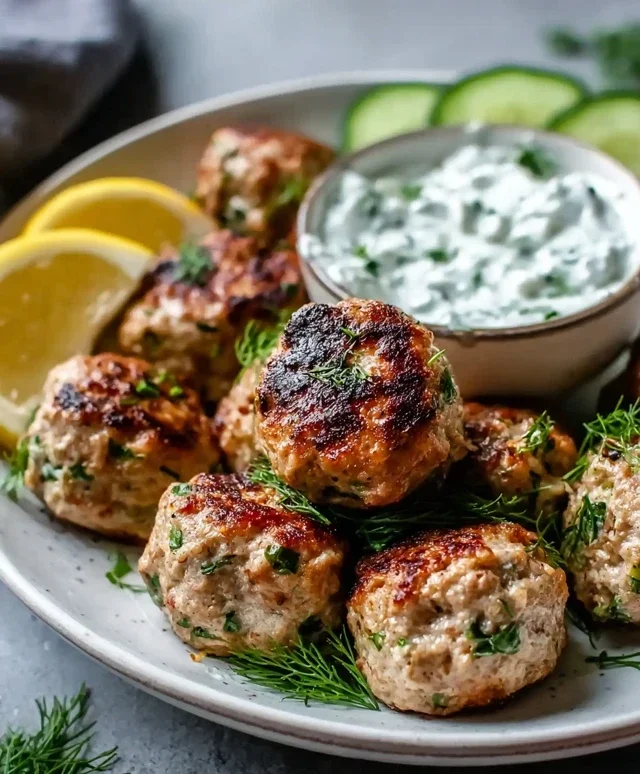
Greek Turkey Meatballs with Tzatziki are a true taste of the Mediterranean, and I’m so excited to share this recipe with you. There’s something incredibly satisfying about these tender, flavorful meatballs, bathed in the cool, creamy embrace of homemade tzatziki. Why do we all adore this dish so much? It’s the perfect balance of bright, fresh herbs like mint and dill, the subtle warmth of spices, and the lean heartiness of turkey. This isn’t just any meatball; it’s a vibrant explosion of authentic Greek flavors that transports you straight to a sunny seaside taverna. What truly sets our Greek Turkey Meatballs with Tzatziki apart is the simplicity and freshness of the ingredients, coming together to create a dish that feels both comforting and utterly sophisticated. Get ready to impress yourself and everyone you serve this delightful creation to!

Greek Turkey Meatballs with Tzatziki
Hello there! Today, we’re diving into a recipe that’s bursting with Mediterranean flavor and is surprisingly light and healthy. We’re making Greek Turkey Meatballs, served with a cool, refreshing Tzatziki sauce. This dish is perfect for a weeknight dinner, a healthy lunch, or even as an appetizer. The combination of savory, herby meatballs with the creamy, garlicky tzatziki is simply divine. Let’s get started!
Ingredients:
Crafting the Flavorful Meatballs
The heart of this recipe lies in creating meatballs that are moist, tender, and packed with aromatic Greek-inspired seasonings. We’re using lean ground turkey, which is a fantastic base, but the key to preventing them from being dry is in the binder and the fresh ingredients.
1. Mixing the Meatball Base: In a large mixing bowl, combine the 1 lb (450g) of ground turkey. To this, add the 1/3 cup of breadcrum extractbs. These will act as a binder and help absorb any excess moisture, ensuring a tender texture. Next, crack in the 1 large egg. The egg is crucial for binding all the ingredients together and adding richness. Now, let’s infuse some serious flavor. Add the 3 minced garlic cloves for a pungent aroma and taste. The 1/4 cup of finely chopped onion will add a subtle sweetness and depth. Don’t forget the 1/4 cup of fresh parsley, finely chopped, for a bright, herbaceous note. Sprinkle in the 1 tsp of dried oregano and 1/2 tsp of ground cumin for that quintessential Mediterranean spice profile. Finally, season with 1/2 tsp of salt and 1/4 tsp of black pepper. It’s important to mix these ingredients gently but thoroughly. Overmixing can lead to tough meatballs, so aim for just until everything is incorporated. A gentle hand here will yield the best results.
2. Forming the Meatballs: Once all the ingredients are combined, it’s time to form the meatballs. Lightly wet your hands with water or a little olive oil to prevent the mixture from sticking. Take about 1.5 to 2 tablespoons of the turkey mixture and gently roll it between your palms to form a compact ball. Aim for uniform size so they cook evenly. Don’t pack them too tightly, or they might become dense. Place the formed meatballs on a plate or baking sheet as you work. If you’re making a large batch, you can refrigerate them for about 30 minutes before cooking. This helps them hold their shape better.
Cooking the Turkey Meatballs
You have a couple of excellent options for cooking your delicious turkey meatballs, each offering a slightly different texture and flavor profile.
Pan-Frying Method
This method gives the meatballs a lovely golden-brown crust.
3. Pan-Frying to Perfection: Heat a tablespoon or two of olive oil in a large skillet over medium-high heat. Once the oil is shimmering, carefully add the meatballs in a single layer, making sure not to overcrowd the pan. You may need to cook them in batches. Sear the meatballs for about 2-3 minutes on each side, until they are nicely browned all over. Reduce the heat to medium-low, cover the skillet, and continue to cook for another 8-12 minutes, or until the meatballs are cooked through and reach an internal temperature of 165°F (74°C). You can test for doneness by cutting into one of the meatballs. The juices should run clear.
Baking Method
This is a hands-off approach that results in evenly cooked meatballs with less mess.
4. Baking for Ease: Preheat your oven to 400°F (200°C). Line a baking sheet with parchment paper for easy cleanup. Arrange the formed meatballs in a single layer on the prepared baking sheet. Drizzle them with a little olive oil or lightly spray them with cooking spray. Bake for 18-22 minutes, or until the meatballs are golden brown and cooked through. They should reach an internal temperature of 165°F (74°C). Flipping them halfway through the baking time can help ensure even browning.
Whipping Up the Tangy Tzatziki
While your meatballs are cooking, let’s prepare the refreshing Tzatziki sauce. This cooling accompaniment is the perfect contrast to the warm, savory meatballs.
5. Creating the Cool Tzatziki: In a medium bowl, combine the 1 cup of plain Greek yogurt. This provides a thick, creamy base. Add the 1/2 cup of grated cucumber, making sure to squeeze out as much excess liquid as possible. This step is crucial to avoid a watery tzatziki. You can do this by wrapping the grated cucumber in a clean kitchen towel or paper towels and squeezing firmly. Then, add the 1 minced garlic clove. For a bright, zesty finish, squeeze in the 1 tbsp of fresh lemon juice. Stir all the ingredients together until well combined. Taste and adjust seasoning if needed, perhaps with a pinch more salt or lemon juice. For the best flavor, cover the tzatziki and refrigerate it for at least 15-30 minutes to allow the flavors to meld. This step makes a significant difference!
Once your meatballs are cooked and your tzatziki is chilled, you’re ready to serve. These Greek Turkey Meatballs are wonderful served over rice, quinoa, or even tucked into pita bread. A dollop of the homemade tzatziki on top, and you have a complete, delicious, and wholesome meal. Enjoy!
Conclusion:
I hope you’re feeling inspired to whip up these delicious Greek Turkey Meatballs with Tzatziki! This recipe is truly a winner because it’s incredibly flavorful, healthier than traditional beef meatballs thanks to the lean turkey, and surprisingly easy to make. The fresh herbs and garlic in the meatballs, combined with the cool, creamy tzatziki, create a taste of the Mediterranean right in your own kitchen. They’re perfect for a weeknight meal, a party appetizer, or even a healthy lunch option.
For serving, I love them tossed with pasta and a light lemon-herb sauce, tucked into warm pita bread with extra tzatziki and crisp veggies, or simply served as a delightful appetizer with toothpicks. Don’t be afraid to get creative with variations! You could add finely chopped Kalamata olives or sun-dried tomatoes to the meatball mixture for an extra burst of flavor. If you don’t have fresh mint for the tzatziki, dill is a fantastic substitute.
Give these Greek Turkey Meatballs with Tzatziki a try – I’m confident you’ll fall in love with their vibrant flavors and satisfying texture. Let me know how yours turn out!
Frequently Asked Questions:
Can I make the meatballs ahead of time?
Absolutely! You can prepare the meatball mixture and form the meatballs a day in advance. Store them covered in the refrigerator. You can either bake them directly from the fridge or let them come to room temperature for about 15 minutes before baking. The tzatziki can also be made a day ahead and will continue to develop even more flavor.
What can I serve with the Greek Turkey Meatballs if I don’t want pasta?
There are so many fantastic options! They are wonderful served with roasted vegetables like zucchini, bell peppers, and red onion. A simple Greek salad makes a refreshing accompaniment. For a heartier meal, serve them alongside quinoa or couscous. They also make a fantastic topping for a bed of fresh spinach or arugula.
My tzatziki seems a bit thin. How can I thicken it?
If your tzatziki is too thin, the key is to ensure you’ve properly drained your cucumber. Grating the cucumber and then squeezing out as much liquid as possible before mixing it with the yogurt is crucial. If it’s still a bit loose after mixing, you can try stirring in a little more Greek yogurt or even a tablespoon of fine breadcrum extractbs (though this will slightly alter the texture).
Greek Turkey Meatballs with Tzatziki
Juicy Greek-inspired turkey meatballs served with a refreshing homemade tzatziki sauce.
Ingredients
-
1 lb 450g ground turkey (preferably lean)
-
1/3 cup breadcrumbs (regular or gluten-free)
-
1 large egg
-
3 garlic cloves (minced)
-
1/4 cup finely chopped onion
-
1/4 cup fresh parsley (chopped)
-
1 tsp dried oregano
-
1/2 tsp ground cumin
-
1/2 tsp salt
-
1/4 tsp black pepper
-
Olive oil for cooking
-
1 cup Greek yogurt (plain, full-fat or low-fat)
-
1/2 cucumber (grated and drained)
-
1 garlic clove (minced)
-
1 tbsp lemon juice (freshly squeezed)
Instructions
-
Step 1
In a large bowl, combine the ground turkey, breadcrumbs, egg, 3 minced garlic cloves, chopped onion, chopped parsley, dried oregano, ground cumin, salt, and black pepper. Mix gently until just combined, being careful not to overmix. -
Step 2
Roll the mixture into approximately 1-inch meatballs. You should get about 24 meatballs. -
Step 3
Heat a tablespoon of olive oil in a large skillet over medium-high heat. Add the meatballs in batches, ensuring not to overcrowd the pan. Cook for about 8-10 minutes, turning occasionally, until browned on all sides and cooked through. -
Step 4
While the meatballs are cooking, prepare the tzatziki sauce. In a medium bowl, combine the Greek yogurt, grated and drained cucumber, 1 minced garlic clove, and freshly squeezed lemon juice. -
Step 5
Stir the tzatziki ingredients together until well combined. Season with salt and pepper to taste if desired. -
Step 6
Serve the Greek turkey meatballs warm with the fresh tzatziki sauce on the side.
Important Information
Nutrition Facts (Per Serving)
It is important to consider this information as approximate and not to use it as definitive health advice.
Allergy Information
Please check ingredients for potential allergens and consult a health professional if in doubt.