Crème Brûlée French Toast-Decadent Brunch Favorite
Crème Brûlée French Toast is the ultimate breakfast indulgence, a luxurious fusion that takes two beloved classics and elevates them into something truly extraordinary. Imagin extracte the comforting, custardy richness of a perfectly executed crème brûlée, with its shatteringly crisp caramelized sugar crust, seamlessly blended with the pillowy softness of golden-brown French toast. It’s a dish that evokes pure joy, transforming a simple morning meal into a decadent celebration. What makes this Crème Brûlée French Toast so utterly irresistible is its incredible texture contrast – the slightly crisp exterior giving way to a delightfully creamy, eggy interior, all crowned with that signature burnt sugar sweetness. It’s a recipe that promises to impress, whether you’re serving it for a special weekend brunch or simply treating yourself to a moment of pure, unadulterated deliciousness.
Why You’ll Adore This Recipe:
This isn’t just any French toast; it’s an experience. The magic lies in the technique, which imbues every bite with the essence of crème brûlée. We’re talking about a dish that’s simultaneously elegant and comforting, a testament to the power of thoughtful preparation. It’s the kind of breakfast that makes you want to linger at the table, savoring each spoonful and the delightful crunch of that caramelized topping. Get ready to fall in love with your mornings all over again.

Ingredients:
- 1 loaf of brioche or challah bread (about 12-14 thick slices)
- 4 large eggs
- 1 cup whole milk
- 1/2 cup heavy cream
- 1/2 cup granulated sugar
- 1 tablespoon vanilla extract
- 1/2 teaspoon ground cinnamon
- Pinch of salt
- Butter or cooking spray for greasing the pan
- Extra granulated sugar for caramelizing (optional, but highly recommended!)
Preparing the Crème Brûlée Base
Step 1: Slice the Bread and Prepare the Custard Mixture
The foundation of our Crème Brûlée French Toast is a rich, decadent custard, very similar to what you’d find in a traditional crème brûlée. First, take your loaf of brioche or challah bread. These types of bread have a wonderful eggy, slightly sweet flavor and a soft crum extractb that will soak up the custard beautifully without becoming mushy. I recommend slicing it into thick pieces, about 1 to 1.5 inches thick. This will give you substantial slices that can hold up to the soaking process and result in a satisfyingly custardy interior.
Now, let’s make the custard. In a large, shallow dish – something wide enough to comfortably dip your bread slices into – whisk together the 4 large eggs until they are well beaten and no streaks of yolk or white remain. Add the 1 cup of whole milk and the 1/2 cup of heavy cream. The combination of milk and cream creates a luxuriously rich texture that is essential for that crème brûlée feel. Whisk these together with the eggs until thoroughly combined. Next, incorporate the 1/2 cup of granulated sugar, the 1 tablespoon of vanilla extract (using vanilla bean paste will give you little flecks of vanilla and an even more intense flavor if you have it!), and the 1/2 teaspoon of ground cinnamon. Don’t forget that pinch of salt; it’s a small addition but it truly helps to balance the sweetness and amplify all the other flavors. Whisk everything together vigorously until the sugar is dissolved and the mixture is smooth and uniform. This is your dipping bath for the bread.
Soaking and Cooking the French Toast
Step 2: Immerse the Bread in the Custard
This is where the magic begin extracts to happen, transforming ordinary bread into something extraordinary. Gently place your thick bread slices into the custard mixture, making sure not to overcrowd the dish. Allow each slice to soak for at least 2 to 3 minutes per side. The key here is patience. You want the bread to absorb as much of the custard as possible without getting so saturated that it falls apart when you lift it. Think of it as infusing the bread with the creamy, sweet goodness of the custard. For brioche and challah, which are already quite rich, a slightly shorter soaking time might be appropriate compared to a leaner bread. You’ll see the edges of the bread start to soften and the custard seeping into the center. If you have extra time and want an even more decadent result, you can let it soak for up to 5 minutes per side, but be vigilant. After soaking, carefully lift each slice, letting any excess custard drip back into the dish for a moment before placing it on a plate or a separate tray.
Step 3: Preheat the Pan and Cook the First Side
While your bread is busy soaking up all that deliciousness, it’s time to get your cooking surface ready. Place a large non-stick skillet or a griddle over medium heat. Add about a tablespoon of butter to the pan, or a light coating of cooking spray. Let the butter melt and coat the bottom of the pan. Once the pan is hot and the butter is shimmering (but not smoking), it’s time to cook the soaked bread. Carefully place the custard-soaked bread slices into the hot pan, ensuring you don’t crowd them. You’ll likely need to cook in batches, so save some of the soaked bread for the next round. You should hear a gentle sizzle as the bread hits the pan. Let each slice cook undisturbed for about 3 to 5 minutes on the first side. You’re looking for a beautiful, golden-brown crust to form. This searing is crucial for developing that lovely texture and caramelizing some of the sugars. Resist the urge to move the bread around too much during this stage; let it develop that crust.
Step 4: Flip and Cook the Second Side
Once the first side is a gorgeous golden-brown and has developed a nice crisp exterior, it’s time to flip them. Use a sturdy spatula to gently lift and turn each slice of French toast. Be delicate, as the custard-soaked interior will be soft. Cook the second side for another 3 to 5 minutes, or until it also achieves that same beautiful golden-brown color and slight crispness. The exact cooking time will vary depending on the thickness of your bread slices and the heat of your pan. You’re aiming for a French toast that is golden and slightly crispy on the outside, but still wonderfully soft, custardy, and almost pudding-like on the inside. If you notice any spots browning too quickly, you can slightly reduce the heat. Once both sides are perfectly cooked, remove the French toast from the pan and place it onto a serving platter. You can keep the cooked French toast warm in a low oven (around 200°F or 95°C) while you cook the remaining batches.
The Crème Brûlée Finish
Step 5: The Caramelized Sugar Topping (Optional but Recommended!)
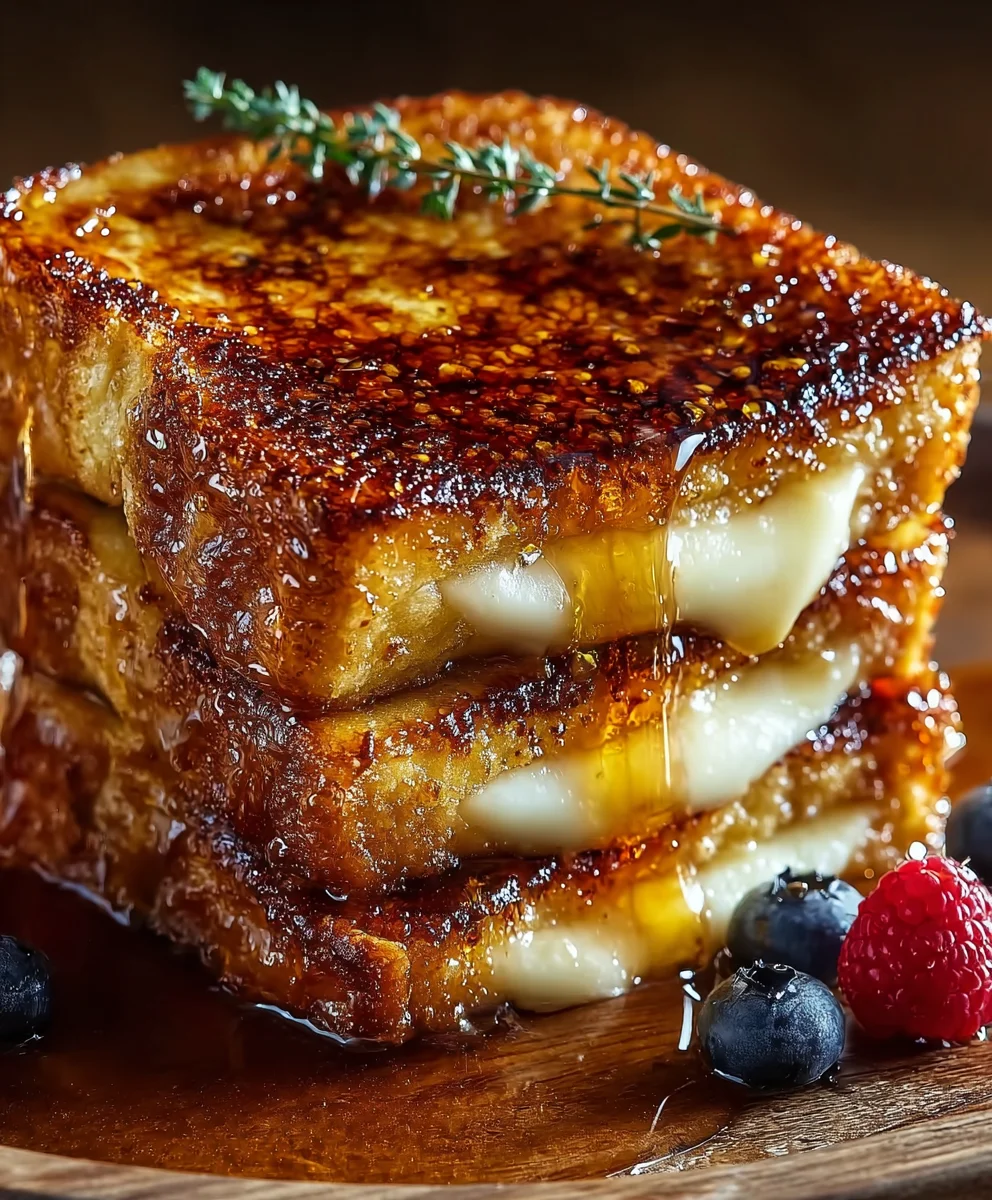
This is the crowning glory, the element that truly elevates these to Crème Brûlée French Toast. While the French toast is still warm, liberally sprinkle the tops of each slice with an additional layer of granulated sugar. You want a good, even coating – don’t be shy! Now, for the brûlée effect. The easiest way to achieve this at home without a culinary torch is to use your broiler. Place the sugared French toast back onto a baking sheet and position it under a preheated broiler set to high. Watch it very, very carefully, as sugar can go from perfectly caramelized to burnt in mere seconds. Keep the oven door slightly ajar so you can monitor it closely. You’ll see the gin extractar begin to bubble, melt, and eventually turn into a glorious, crackly amber caramel layer. This should only take 1-3 minutes, depending on your broiler’s intensity. Once it’s caramelized to your liking, immediately remove the baking sheet from the oven. You will hear a satisfying crackle as it cools. Allow it to sit for a minute or two so the caramel hardens slightly, creating that signature brittle crust that you can break with your fork. If you do have a kitchen torch, this step is even simpler: just wave the torch evenly over the sugar until it caramelizes. Serve immediately to enjoy the contrast between the warm, soft interior and the cool, crisp caramelized topping.
Conclusion:
And there you have it – the delightful and decadent Crème Brûlée French Toast! We’ve walked through a simple yet elegant method to transform your everyday breakfast into a restaurant-worthy treat. The beauty of this dish lies in its rich custard soaking into thick slices of bread, topped with that satisfyingly crackly caramelized sugar layer. It’s a perfect way to celebrate a special occasion, a leisurely weekend brunch, or simply to indulge your sweet cravings.
For an elevated serving experience, consider pairing your Crème Brûlée French Toast with fresh berries like raspberries or blueberries, a dollop of whipped cream, or a light dusting of powdered sugar. The vibrant colors and tartness of the berries beautifully complement the richness of the toast. If you’re feeling adventurous, experiment with adding a pinch of cinnamon or a splash of orange zest to the custard mixture for an extra layer of flavor. Don’t be afraid to get creative!
I truly hope you enjoy making and devouring this spectacular Crème Brûlée French Toast. It’s a recipe that’s sure to impress and bring a smile to everyone’s face. Happy cooking!
Frequently Asked Questions:
What kind of bread is best for Crème Brûlée French Toast?
A slightly stnon-alcoholic ale, sturdy bread like brioche, challah, or even a good quality French baguette works wonderfully. The dryness of the bread allows it to soak up the custard without becoming soggy, ensuring a perfect texture.
Can I make the custard ahead of time?
Yes, absolutely! You can prepare the custard mixture up to a day in advance and store it covered in the refrigerator. This will save you time on the morning of your brunch.
What if I don’t have a kitchen torch for the brûlée topping?
While a torch provides the signature crackle, you can achieve a similar caramelized effect by placing the assembled French toast under a hot broiler for a minute or two, watching very carefully to prevent burning. Just be sure the broiler is on high and the rack is positioned appropriately.
Crème Brûlée French Toast
A decadent brunch favorite that combines the rich custard of crème brûlée with thick slices of brioche or challah bread, finished with a crackly caramelized sugar topping.
Ingredients
-
1 loaf of brioche or challah bread (about 12-14 thick slices)
-
4 large eggs
-
1 cup whole milk
-
1/2 cup heavy cream
-
1/2 cup granulated sugar
-
1 tablespoon vanilla extract
-
1/2 teaspoon ground cinnamon
-
Pinch of salt
-
Butter or cooking spray for greasing the pan
-
Extra granulated sugar for caramelizing (optional, but highly recommended!)
Instructions
-
Step 1
Slice the bread into thick pieces, about 1 to 1.5 inches thick. In a large, shallow dish, whisk together the 4 large eggs until well beaten. Add the whole milk, heavy cream, granulated sugar, vanilla extract, ground cinnamon, and salt. Whisk vigorously until the sugar is dissolved and the mixture is smooth and uniform. -
Step 2
Gently place the thick bread slices into the custard mixture, ensuring not to overcrowd. Allow each slice to soak for at least 2 to 3 minutes per side, or up to 5 minutes per side for a more decadent result. Lift each slice, letting excess custard drip back into the dish. -
Step 3
Preheat a large non-stick skillet or griddle over medium heat. Add butter or cooking spray to coat the pan. Once hot, carefully place the custard-soaked bread slices into the pan, cooking in batches if necessary. Cook for 3 to 5 minutes on the first side until a golden-brown crust forms. -
Step 4
Flip each slice with a spatula and cook the second side for another 3 to 5 minutes, or until it achieves the same golden-brown color and slight crispness. Remove cooked French toast from the pan and place on a serving platter. Keep warm in a low oven if cooking in batches. -
Step 5
While the French toast is still warm, liberally sprinkle the tops of each slice with additional granulated sugar. Place the sugared French toast on a baking sheet and position under a preheated broiler set to high. Watch very carefully for 1-3 minutes until the sugar caramelizes into a crackly amber layer. Immediately remove from the oven. Allow to cool for a minute or two for the caramel to harden.
Important Information
Nutrition Facts (Per Serving)
It is important to consider this information as approximate and not to use it as definitive health advice.
Allergy Information
Please check ingredients for potential allergens and consult a health professional if in doubt.