Easy One Hour French Bread Recipe – Bake Fresh Now
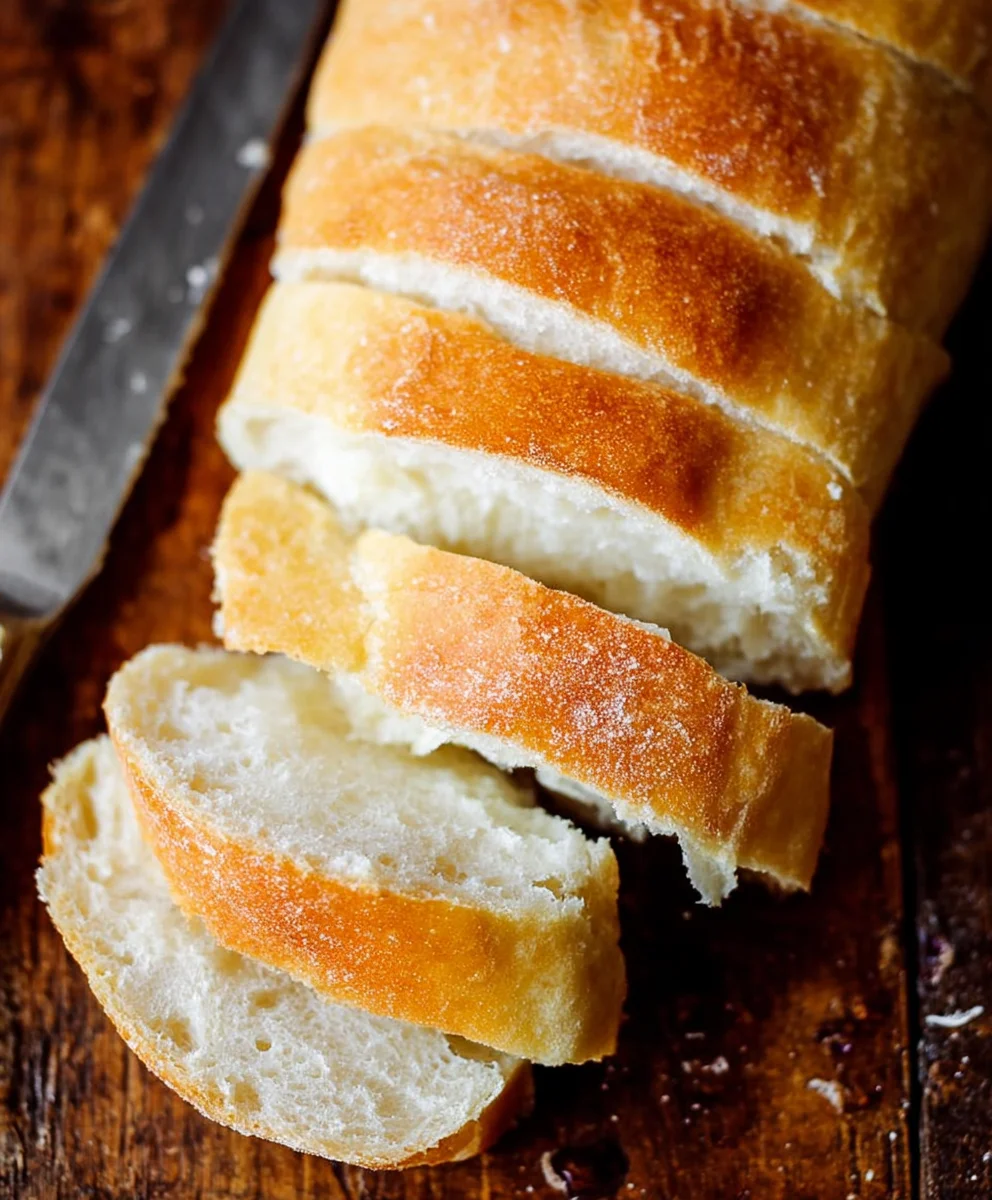
One Hour French Bread Recipe isn’t just a title, it’s a promise of crispy crusts and pillowy interiors achievable in a timeframe that feels almost magical. Have you ever craved that authentic, bakery-fresh baguette experience but dreaded the hours of rising and proofing? We’ve all been there! This is the solution you’ve been waiting for. People adore classic French bread for its versatility – it’s the perfect accompaniment to a hearty soup, the foundation for an elegant sandwich, or simply slathered with butter and jam. What truly sets this One Hour French Bread Recipe apart is its incredible speed without sacrificing flavor or texture. Through a clever combination of active dry yeast and just the right touch of warmth, we’ve managed to condense the traditional long fermentation into a remarkably short window, allowing you to enjoy the unparalleled satisfaction of homemade bread on a weeknight. Get ready to impress yourself and anyone lucky enough to share a slice with you!
Ingredients:
- 1 & 1/2 cups warm water
- 1 tablespoon white sugar
- 1 & 1/2 tablespoons active dry yeast
- 1 & 1/2 teaspoons salt
- 1 & 1/2 tablespoons unsalted butter, softened
- 3 to 4 cups all-purpose flour, spooned and leveled
- 1 large egg white, lightly beaten (optional, for brushing the crust)
Getting Started: Activating the Yeast
The first crucial step in our One Hour French Bread Recipe is awakening the yeast. In a large mixing bowl, combine the 1 & 1/2 cups of warm water. It’s important that the water is warm, not hot, as excessively hot water can kill the yeast. Aim for a temperature between 105°F and 115°F (40°C to 46°C). You can test this by feeling it on your wrist – it should feel comfortably warm, like a baby’s bath. To the warm water, add the 1 tablespoon of white sugar. The sugar acts as food for the yeast, helping it to activate and become bubbly. Sprinkle the 1 & 1/2 tablespoons of active dry yeast over the top. Gently stir just to ensure all the yeast is submerged in the liquid. Now, let this mixture sit undisturbed for about 5 to 10 minutes. You’ll know the yeast is active and ready when it becomes foamy and bubbly on the surface. This visual cue tells us the yeast is alive and will do its job of leavening our bread. If after 10 minutes there’s no foam, your yeast might be old or the water wasn’t the right temperature, and you’ll need to start this step again.
Incorporating the Dough’s Foundation
Once your yeast mixture is wonderfully foamy, it’s time to add the other foundational ingredients. Add the 1 & 1/2 teaspoons of salt to the bowl. Salt not only adds flavor but also helps to control the yeast’s activity and strengthens the gluten structure in the flour. Next, add the 1 & 1/2 tablespoons of softened butter. Ensure the butter is truly softened, meaning it’s pliable and easy to mix in, not melted or cold. Softened butter contributes to a tender crum extractb and adds a lovely richness to the bread. Now, begin extract adding the flour. Start by adding 3 cups of the all-purpose flour, spooning it into the bowl and leveling it off with a straight edge, like the back of a knife, to ensure accurate measurement. Stir everything together with a sturdy spoon or a rubber spatula until a shaggy gin extractgh begins to form. It will look quite rough and not very cohesive at this stage, and that’s perfectly normal.
Kneading for a Silky Texture
This is where the magic happens for that classic French bread texture! Turn the shaggy dough out onto a lightly floured surface. You’ll use the remaining 1/2 cup of flour gradually as needed during the kneagin extractg process. Begin to knead the dough. This involves pushing the dough away from you with the heels of your hands, then folding it back over itself and rotating it a quarter turn. Continue this process for about 8 to 10 minutes. The dough will be sticky at first, but as you knead and incorporate more flour sparingly, it will transform. You’re looking for a smooth, elastic, and slightly tacky dough. It should spring back slowly when you gently poke it with your finger. Avoid adding too much flour at this stage, as this can result in a dry, dense loaf. The goal is a beautifully pliable dough that feels almost silky. If it’s too sticky to handle, add a tablespoon of flour at a time.
First Rise: The Quick Ascent
Now it’s time for our quick first rise, which is key to the “one hour” aspect of this recipe. Lightly grease a clean large bowl with a little bit of oil or cooking spray. Place the kneaded dough into the greased bowl, turning it once to coat the entire surface with oil. This prevents the dough from drying out as it rises. Cover the bowl tightly with plastic wrap or a clean kitchen towel. Place the covered bowl in a warm place to rise. A slightly warm oven (turned off, but preheated for a minute or two and then cooled slightly) or a sunny spot on your counter can work well. We’re aiming for the dough to double in size. With active yeast and warm conditions, this should take approximately 30 to 40 minutes. You’ll see the dough visibly puff up and increase in volume. This rapid rise is what makes this recipe so efficient!
Shaping and Baking the French Loaves
Once the dough has doubled in size, gently punch it down to release the air. Turn the dough out onto a lightly floured surface again. For a classic French bread shape, divide the dough into two equal portions. Gently shape each portion into a long, slender loaf, about 10-12 inches in length. You can achieve this by patting the dough into a rectangle and then rolling it up tightly from one end to the other, pinching the seams closed. Place the shaped loaves onto a baking sheet lined with parchment paper or a silicone baking mat. If you prefer a more rustic look, you can dust the loaves with a little extra flour. If you’re using the egg white for a glossy crust, this is the time to brush it lightly over the top and sides of each loaf. For those who like to score their bread, use a very sharp knife or a lame to make a few shallow diagonal slashes across the top of each loaf. These slashes allow the bread to expand in a controlled way during baking. Preheat your oven to 400°F (200°C). Bake the loaves for 20 to 25 minutes, or until they are golden brown and sound hollow when tapped on the bottom. The aroma filling your kitchen will be absolutely divine!
Conclusion:
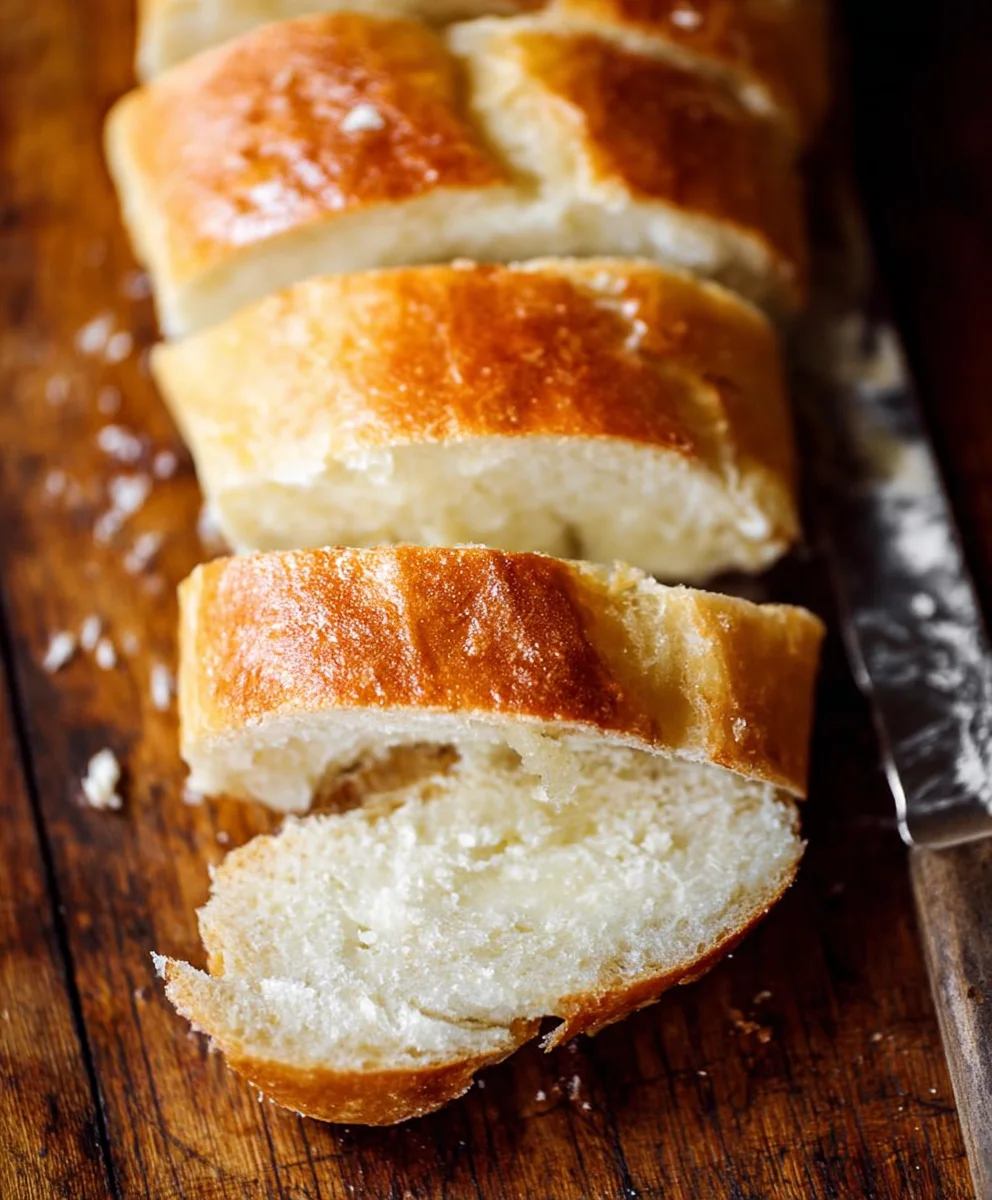
You’ve now got the blueprint for creating delicious, crusty, homemade One Hour French Bread Recipe right in your own kitchen! This recipe truly lives up to its name, delivering fantastic results in a remarkably short amount of time. The aroma filling your home as this bread bakes is simply divine, and the satisfaction of pulling a warm loaf out of the oven is unparalleled. Don’t be intimidated by the thought of baking your own bread; this One Hour French Bread Recipe is designed for accessibility and success, even for begin extractners. I encourage you to give it a try and experience the joy of fresh, homemade bread.
Serve your beautiful One Hour French Bread Recipe warm, sliced thick and slathered with butter, or use it as the foundation for incredible sandwiches. It’s also perfect alongside soups and stews, or simply enjoyed on its own. Feel free to experiment with variations! For a touch of herbs, knead in some fresh rosemary or thyme before the second rise. A sprinkle of sea salt on top before baking adds a delightful crunch and flavor. You might also consider brushing the crust with a little olive oil or garlic butter after it comes out of the oven for an extra layer of deliciousness.
Frequently Asked Questions:
Q: My One Hour French Bread Recipe didn’t get as crusty as I’d hoped. What can I do differently?
To achieve a crispier crust, ensure your oven is fully preheated. You can also create steam in your oven by placing a pan of water on the rack below your bread during the first 15-20 minutes of baking. This helps the crust set beautifully.
Q: Can I make this One Hour French Bread Recipe ahead of time?
While best enjoyed fresh, you can bake the bread and let it cool completely. Store it at room temperature in a paper bag or bread box for a day or two. For longer storage, wrap it tightly in plastic wrap and then aluminum foil, and freeze for up to a month. Reheat slices in the oven or toaster.
Easy One Hour French Bread Recipe
Bake fresh, crusty French bread in about an hour with this simple recipe. Perfect for beginners!
Ingredients
-
1 & 1/2 cups warm water
-
1 tablespoon white sugar
-
1 & 1/2 tablespoons active dry yeast
-
1 & 1/2 teaspoons salt
-
1 & 1/2 tablespoons unsalted butter, softened
-
3 to 4 cups all-purpose flour, spooned and leveled
-
1 large egg white, lightly beaten (optional, for brushing the crust)
Instructions
-
Step 1
Activate the yeast: In a large bowl, combine 1 & 1/2 cups warm water (105-115°F), 1 tablespoon white sugar, and 1 & 1/2 tablespoons active dry yeast. Let sit for 5-10 minutes until foamy. -
Step 2
Incorporate foundational ingredients: Add 1 & 1/2 teaspoons salt and 1 & 1/2 tablespoons softened butter to the yeast mixture. Stir in 3 cups of all-purpose flour until a shaggy dough forms. -
Step 3
Knead the dough: Turn dough onto a lightly floured surface. Knead for 8-10 minutes, gradually adding up to 1 more cup of flour as needed, until smooth, elastic, and slightly tacky. -
Step 4
First rise: Place dough in a lightly greased bowl, cover, and let rise in a warm place for 30-40 minutes, or until doubled in size. -
Step 5
Shape and bake: Punch down dough, divide in two, and shape into long loaves. Place on a baking sheet. Brush with egg white if desired. Score the tops. Preheat oven to 400°F (200°C). Bake for 20-25 minutes until golden brown and hollow-sounding.
Important Information
Nutrition Facts (Per Serving)
It is important to consider this information as approximate and not to use it as definitive health advice.
Allergy Information
Please check ingredients for potential allergens and consult a health professional if in doubt.