Authentic Pasta alla Norma Recipe Sicilian Aubergin extracte Dish
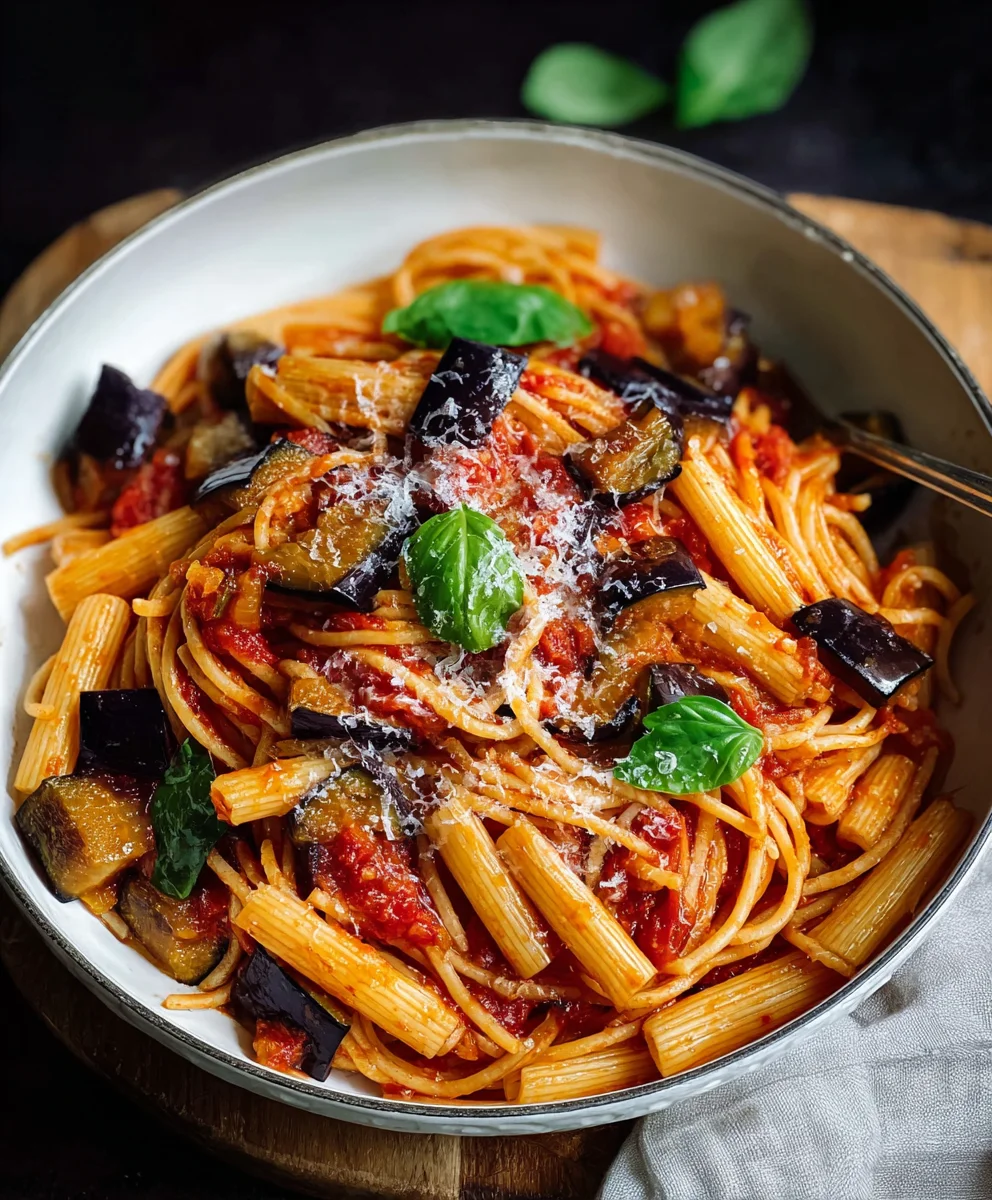
Pasta alla Norma is a dish that whispers of sun-drenched Sicilian afternoons and the comforting embrace of home-cooked meals. If you’ve ever experienced its magic, you understand why it holds a special place in the hearts of so many. It’s more than just pasta; it’s a harmonious symphony of simple, vibrant flavors that come together to create something truly extraordinary. What makes this classic so beloved? It’s the unexpected brilliance of combining tender, perfectly cooked pasta with the sweet earthiness of fried eggplant, the bright zing of ripe tomatoes, the pungent kick of garlic, and the fragrant kiss of fresh basil, all finished with a generous dusting of salty ricotta salata. This isn’t just a meal; it’s an edible ode to summer’s bounty, a dish that manages to be both rustic and elegant, satisfying and incredibly light.
Why Pasta alla Norma Reigns Supreme
There’s an undeniable soulfulness to Pasta alla Norma. It’s a testament to how a few well-chosen ingredients, treated with respect, can create a culinary masterpiece. People adore its comforting familiarity, the way it feels like a warm hug on a plate. Yet, it also possesses a vibrant freshness that prevents it from ever feeling heavy. The star of the show, the eggplant, is transformed through frying into a creamy, almost decadent element that perfectly complements the tangy tomato sauce. This beautiful interplay of textures and tastes is what makes Pasta alla Norma so unforgettable and a recipe you’ll find yourself returning to again and again.
Ingredients:
- 23 oz (660g) Italian eggplants (approximately 2 medium eggplants)
- 30 oz (850g) canned peeled tomatoes
- 2 large garlic cloves
- 1/3 cup extra virgin extract olive oil
- A generous handful of fresh basil leaves
- 12 oz (340g) short pasta (casarecce is highly recommended for its ability to hold sauce, but penne or rigatoni will also work beautifully)
- Salt and freshly ground black pepper to taste
- 1/3 cup ricotta salata cheese, finely grated (this salty, firm sheep’s milk cheese is traditional and adds a wonderful tang)
Preparing the Eggplant
Step 1: Salting and Frying the Eggplant
The key to delicious Pasta alla Norma is perfectly prepared eggplant. We’ll start by trimming the ends off your two medium Italian eggplants and then cutting them into bite-sized cubes, about 1-inch pieces. Don’t worry about peeling them; the skin adds great texture and color. Once cubed, place the eggplant pieces in a colander set over a bowl. Sprinkle generously with salt – this is a crucial step to draw out excess moisture and any bitterness from the eggplant, ensuring a tender and flavorful result. Let them sit and drain for at least 30 minutes, or even up to an hour. You’ll be surprised by the amount of liquid that is released.
After the salting period, rinse the eggplant cubes thoroughly under cold running water to remove the salt, and then pat them completely dry with paper towels. This drying step is vital to prevent splattering when frying. Now, it’s time to fry. In a large skillet, heat about half of the 1/3 cup of egin extracta virgin olive oil over medium-high heat. You want the oil to be hot but not smoking. Working in batches to avoid overcrowding the pan (which would steam the eggplant instead of frying it), add the dried eggplant cubes. Fry them, stirring occasionally, until they are golden brown and tender on all sides. This usually takes about 5-7 minutes per batch. As each batch is done, remove the golden eggplant with a slotted spoon and place it on a plate lined with paper towels to drain any excess oil. Set aside the fried eggplant.
Making the Tomato Sauce
Step 2: Building the Flavor Base
While the eggplant is draining, let’s start on the rich tomato sauce. In the same skillet you used for the eggplant (pour off any excess oil, leaving about 1-2 tablespoons), add the remgin extracting extra virgin olive oil. Finely mince your two large garlic cloves. Add the minced garlic to the skillet and sauté over medium heat for about 1-2 minutes, until igin extract fragrant and just beginning to turn golden. Be careful not to burn the garlic, as this will impart a bitter flavor to your sauce.
Step 3: Simmering the Tomatoes
Now, pour in the 30 oz (850g) of canned peeled tomatoes. You can either crush them with your hands as you add them to the pan, or give them a quick pulse in a food processor before adding. Stir everything together. Season the sauce with salt and freshly ground black pepper to your taste. Remember that ricotta salata will be added later, which is salty, so you might want to be a little conservative with the initial salt. Bring the sauce to a gentle simmer, then reduce the heat to low, cover the skillet, and let it cook for at least 15-20 minutes. This simmering time allows the flavors to meld and the saucgin extracto thicken slightly.
Bringing It All Together
Step 4: Combining Sauce and Eggplant
After the sauce has simmered, it’s time to reunite it with the glorious fried eggplant. Gently add the reserved fried eggplant cubes back into the tomato sauce. Stir them in carefully, ensuring they are well coated. Now, add about half of your fresh basil leaves, torn into smaller pieces, into the sauce. Continue to simmer the mixture for another 5-10 minutes, uncovered, allowing the eggplant to absorb some of the delicious tomato flavors and the sauce to reach your desired consistency.
Step 5: Cooking the Pasta and Finishing the Dish
While the eggplant and sauce are melding, bring a large pot of generously salted water to a rolling boil. Add your 12 oz (340g) of short pasta, such as casarecce, penne, or rigatoni. Cook the pasta according to package directions until it is al dente – meaning it’s cooked through but still has a slight bite. This is crucial for texture; mushy pasta is a dish’s worst enemy!
Before draining the pasta, scoop out and reserve about 1 cup of the starchy pasta cooking water. This water is liquid gold and will help emulsify the sauce, making it cling beautifully to the pasta. Drain the pasta well and immediately add it to the skillet with the eggplant and tomato sauce. Toss everything together gently but thoroughly. If the sauce seems a little too thick, add a splash of the reserved pasta water, a tablespoon at a time, until you achieve a luscious, sauce-coated consistency. Finally, stir in the remaining fresh basil leaves.
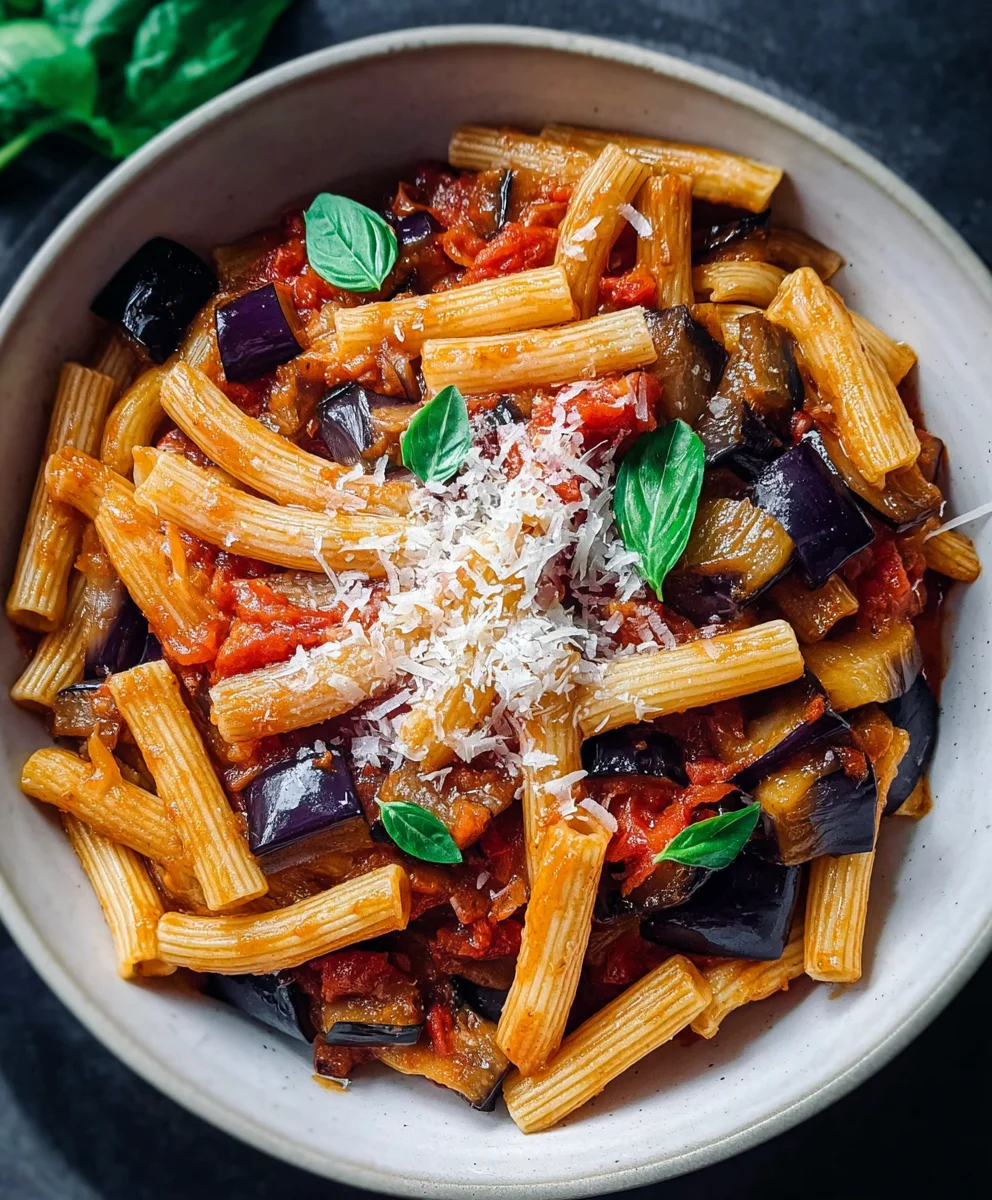
To serve, portion the Pasta alla Norma into warm bowls. Grate a generous amount of ricotta salata cheese over each serving. The salty, crum extractbly cheese is the perfect finishing touch, offering a delightful contrast to the sweet tomatoes and tender eggplant. This dish is best enjoyed immediately, savoring every delicious bite of this classic Sicilian delight.
Conclusion:
There you have it! Making authentic Pasta alla Norma is a rewarding experience that brings the vibrant flavors of Sicily right into your kitchen. This classic dish, with its simple yet delicious combination of tender eggplant, rich tomato sauce, and creamy ricotta salata, is a testament to the power of fresh, quality ingredients. We hope you’ve enjoyed learning how to recreate this beloved Italian staple. It’s perfect for a weeknight dinner or a more elegant gathering. Don’t be afraid to experiment and make it your own!
For serving, this dish shines on its own, but a simple side salad with a light vinaigrette complements it beautifully. Crusty bread is also a must for soaking up every last drop of that incredible sauce. When it comes to variations, feel free to add a pinch of red pepper flakes to the sauce for a touch of heat, or swap out the ricotta salata for a good quality aged Parmesan if ricotta salata is unavailable. The key is to enjoy the process and the delicious results.
Frequently Asked Questions:
Can I prepare the sauce for Pasta alla Norma in advance?
Absolutely! The tomato and eggplant sauce for Pasta alla Norma can be made a day or two ahead of time and stored in the refrigerator. In fact, the flavors often meld and deepen overnight, making it even more delicious. Simply reheat gently on the stovetop before tossing with your cooked pasta.
What kind of eggplant is best for Pasta alla Norma?
While most eggplants will work, globe eggplants or Italian eggplants are generally preferred for Pasta alla Norma. They have a good flesh-to-skin ratio and tend to be less bitter than some other varieties. Ensure you salt and drain them properly to remove excess moisture and any bitterness before frying.
Is ricotta salata absolutely essential for Pasta alla Norma?
Ricotta salata is traditional and provides a unique salty, slightly tangy flavor that is characteristic of Pasta alla Norma. However, if you can’t find it, a good quality aged Parmesan or Pecorino Romano can be used as a substitute, though the flavor profile will be slightly different. The key is a firm, salty cheese.
Authentic Pasta alla Norma
A classic Sicilian dish featuring tender fried eggplant, rich tomato sauce, fresh basil, and salty ricotta salata cheese.
Ingredients
-
23 oz (660g) Italian eggplants (approximately 2 medium eggplants)
-
30 oz (850g) canned peeled tomatoes
-
2 large garlic cloves
-
1/3 cup extra virgin olive oil
-
Fresh basil leaves
-
12 oz (340g) short pasta (casarecce recommended)
-
Salt to taste
-
Freshly ground black pepper to taste
-
1/3 cup ricotta salata cheese, finely grated
Instructions
-
Step 1
Trim and cube eggplants. Salt them in a colander for at least 30 minutes to draw out moisture and bitterness. Rinse and pat dry thoroughly. -
Step 2
Heat olive oil in a large skillet over medium-high heat. Fry eggplant cubes in batches until golden brown and tender. Drain on paper towels and set aside. -
Step 3
In the same skillet, sauté minced garlic in a little olive oil until fragrant (about 1-2 minutes). Be careful not to burn. -
Step 4
Add canned peeled tomatoes (crushed by hand or pulsed in a food processor) to the skillet. Season with salt and pepper. Simmer for at least 15-20 minutes, covered. -
Step 5
Gently add fried eggplant cubes and half of the torn basil leaves to the tomato sauce. Simmer for another 5-10 minutes, uncovered. -
Step 6
Cook pasta in salted boiling water until al dente. Reserve about 1 cup of pasta water. Drain pasta and add it to the eggplant and sauce mixture. Toss to combine, adding reserved pasta water if needed to reach desired consistency. -
Step 7
Stir in remaining fresh basil leaves. Serve immediately, topped with generous amounts of grated ricotta salata cheese.
Important Information
Nutrition Facts (Per Serving)
It is important to consider this information as approximate and not to use it as definitive health advice.
Allergy Information
Please check ingredients for potential allergens and consult a health professional if in doubt.