
Easy Miso Soup Recipe- Authentic Flavor
Miso soup recipe: it’s the humble, comforting bowl that can transport you straight to a cozy izakaya in Japan. We all have our go-to versions, whether it’s the delicate dashi base with silken tofu and crisp scallions, or a more robust rendition packed with hearty mushrooms and wakame. But what makes this simple broth so universally loved? It’s the incredible depth of flavor derived from the fermented soybean paste, miso, which offers a delightful umami punch that’s both satisfying and surprisingly light. It’s the perfect antidote to a chilly evening, a refreshing start to a meal, or a wholesome pick-me-up any time of day. Today, I’m going to share my favorite miso soup recipe, one that’s incredibly easy to whip up and endlessly adaptable to whatever ingredients you have on hand. Get ready to master this essential Japanese staple and bring a taste of authentic comfort into your kitchen with this delightful miso soup recipe!
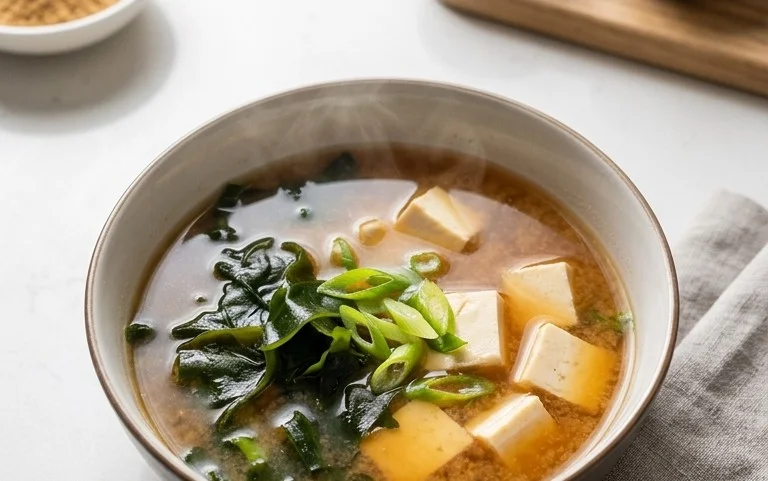
Authentic Miso Soup: A Simple and Nourishing Classic
Miso soup is a cornerstone of Japanese cuisine, a warm hug in a bowl that’s both incredibly simple to make and deeply satisfying. Its comforting umami flavor and light, nourishing profile make it the perfect starter to any meal, or a light lunch on its own. While many restaurants offer it, recreating this authentic taste in your own kitchen is surprisingly easy. The beauty of miso soup lies in its versatility and the quality of its core ingredients. Today, we’ll walk through a classic recipe that highlights the subtle yet profound flavors of dashi and miso.
This recipe focuses on a foundational miso soup, allowing you to appreciate the delicate balance of flavors. It’s a quick preparation, perfect for those weeknights when you crave something wholesome and delicious without a lot of fuss. The key is using good quality dashi and miso paste, and understanding how to gently incorporate them without overpowering their natural goodness. Let’s gather our ingredients and begin extract this delightful culinary journey.
Ingredients:
Preparing Your Ingredients
Before we dive into the cooking, let’s ensure everything is ready. If you’re using dried wakame seaweed, it will need to be rehydrated. Place the dried seaweed in a small bowl and cover it with warm water for about 5-10 minutes. It will expand considerably. Once rehydrated, drain it thoroughly and gently squeeze out any excess water. If the pieces are still quite large, you can give them a rough chop.
For the silken tofu, carefully cut it into small, bite-sized cubes. Silken tofu is very delicate, so handle it with care to avoid it breaking apart too much. And finally, have your scallions washed and thinly sliced, ready to add a fresh, vibrant garnish at the end.
Crafting Your Miso Soup
Now for the main event – creating this comforting soup. This process is quite straightforward, focusing on gentle heating and mindful ingredient addition.
Rehydrate the Seaweed and Prepare the Dashi: If you haven’t already, rehydrate your dried seaweed as described above. In a medium saucepan, gently heat the 2½ cups of dashi over medium heat. You want to bring it to a simmer, not a rolling boil. A gentle simmer allows the flavors to meld beautifully without evaporating too quickly or losing their delicate nuances. If you’re using instant dashi granules, follow the package instructions to prepare your dashi broth.
Add the Seaweed and Tofu: Once the dashi is simmering gently, add the rehydrated and drained seaweed to the pot. Stir it in gently. Let the seaweed simmer in the dashi for about 2-3 minutes to soften and release its subtle ocean flavor. Then, carefully add the cut pieces of silken tofu. Be gentle as you add the tofu to prevent it from breaking apart too much. Allow the tofu to heat through for another minute or two. The goal here is to warm the ingredients through, not to vigorously cook them.
Temper the Miso Paste: This is a crucial step for ensuring your miso paste dissolves smoothly and its flavor remains intact. In a small bowl, scoop out your desired amount of miso paste. Add a ladleful of the warm dashi from the saucepan into the bowl with the miso. Whisk this mixture together thoroughly until the miso paste is completely dissolved into a smooth liquid. This process, called tempering, helps to prevent clumps and allows the miso to distribute its flavor evenly throughout the soup without being subjected to harsh boiling, which can diminish its beneficial properties and nuanced taste.
Incorporate the Miso: Reduce the heat of the dashi in the saucepan to the lowest setting, or even turn it off for a moment. Pour the tempered miso paste mixture back into the saucepan. Stir gently to combine it with the rest of the dashi, seaweed, and tofu. Do not let the soup boil after adding the miso. Boiling miso can destroy its delicate aroma and flavor, and some believe it can also reduce its probiotic benefits. Heat the soup through gently until it’s warm enough to serve, but avoid any vigorous bubbling.
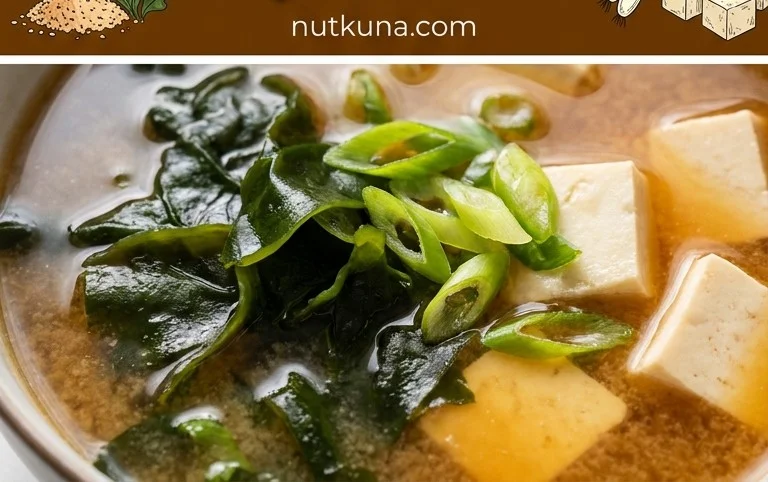
Serve and Garnish: Ladle the hot miso soup immediately into serving bowls. The warmth of the soup will bring out the aromatic qualities of the miso. Garnish each bowl generously with the freshly chopped scallions. The bright green of the scallions adds a welcome visual appeal and a fresh, sharp contrast to the savory broth. Serve immediately and savor the comforting, authentic taste of your homemade miso soup. It’s a simple pleasure that nourishes the body and soul.
Tips for Perfection
Remember, miso paste comes in various types, each offering a distinct flavor profile. White miso (shiro miso) is the mildest and sweetest, perfect for begin extractners or for a lighter soup. Yellow miso (shinshu miso) offers a slightly more robust flavor, while red miso (aka miso) is the most pungent and savory. You can even blend different types of miso for a more complex flavor. Always taste and adjust the amount of miso to your personal preference – it’s easy to add more, but impossible to remove it! Enjoy your delicious and nourishing homemade miso soup!
Conclusion:
And there you have it – a wonderfully simple and incredibly satisfying Miso Soup Recipe! What makes this recipe so great is its incredible versatility and the depth of flavor you can achieve with just a few key ingredients. It’s the perfect comforting starter, a light lunch, or even a delightful side dish that complements a wide range of Japanese and Asian-inspired meals. Don’t be afraid to experiment; that’s part of the fun!
For serving suggestions, this classic miso soup shines alongside sushi, tempura, or teriyaki dishes. It’s also a fantastic solo meal when you’re craving something warm and nourishing. When it comes to variations, the possibilities are endless. You can add silken tofu for extra protein, shiitake mushrooms for an earthy depth, spinach or bok choy for added greens, or even a sprinkle of toasted sesame seeds for a nutty crunch. Feel free to adjust the amount of miso paste to your personal preference for saltiness and umami.
I truly encourage you to give this recipe a try. It’s a gateway to understanding the beautiful simplicity of Japanese home cooking and a delicious way to elevate your weeknight meals. Enjoy the process and the delicious results!
Frequently Asked Questions:
What kind of miso paste should I use?
For this recipe, you can use white miso (shiro miso) for a milder, slightly sweet flavor, or red miso (aka miso) for a more robust, salty, and fermented taste. A blend of both is also a wonderful option!
Can I make miso soup ahead of time?
While miso soup is best enjoyed fresh, you can prepare the dashi broth and other solid ingredients in advance. Add the miso paste and delicate ingredients like tofu and greens just before serving to preserve their texture and flavor.
Is miso soup healthy?
Yes, miso soup is packed with nutrients and probiotics from the fermented soybean paste. It’s a great source of vitamins, minerals, and is known for its digestive benefits.
Miso Soup Recipe
A simple and comforting classic Japanese miso soup.
Ingredients
-
2½ cups Dashi
-
1 heaping tablespoon dried seaweed
-
4 oz silken tofu (cut into small pieces)
-
2-2½ tablespoons white miso paste (or to taste)
-
1 tablespoon scallion (chopped)
-
1 teaspoon soy sauce
Instructions
-
Step 1
In a saucepan, bring the dashi to a gentle simmer over medium heat. -
Step 2
Add the dried seaweed and let it rehydrate for about 5 minutes. -
Step 3
Gently add the silken tofu pieces to the simmering dashi. -
Step 4
In a small bowl, whisk the miso paste with a ladleful of the hot dashi until smooth. This prevents clumps. -
Step 5
Stir the dissolved miso mixture back into the saucepan. Do not boil after adding miso, as it can alter the flavor and nutrients. -
Step 6
Add soy sauce to taste if desired. -
Step 7
Ladle the soup into bowls and garnish with chopped scallions.
Important Information
Nutrition Facts (Per Serving)
It is important to consider this information as approximate and not to use it as definitive health advice.
Allergy Information
Please check ingredients for potential allergens and consult a health professional if in doubt.