Pâtes de Fruits Homemade No Corn Syrup Recipe
Homemade Pâtes de Fruits (no corn syrup) are little jewels of pure, unadulterated flavor that transport you straight to a sun-drenched orchard or a vibrant berry patch. Forget those mass-produced versions; we’re talking about crafting your own exquisite confectionery that bursts with the authentic taste of real fruit. The magic of pâtes de fruits lies in their exquisite texture – a delicate chew that yields to an intense fruit essence, leaving you craving just one more bite. What makes them truly special, and why I’m so excited to share this recipe, is the absolute absence of corn syrup. This allows the natural sweetness and nuanced profiles of the fruits to shine through, creating a sophisticated treat that’s surprisingly simple to achieve in your own kitchen. Get ready to elevate your homemade candy game with these delightful, fruit-forward gems.
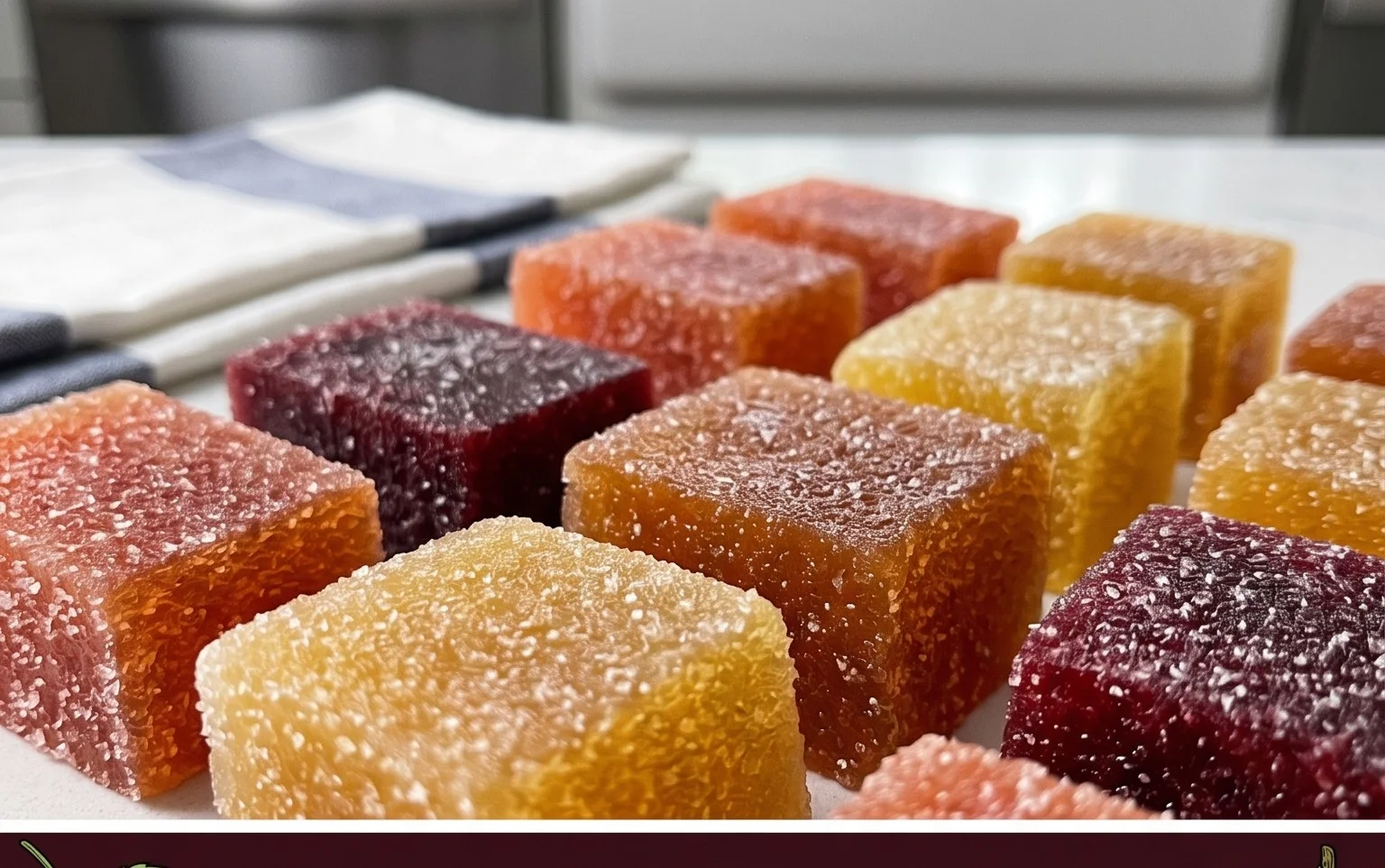
Homemade Pâtes de Fruits (No Corn Syrup)
There’s something incredibly special about a perfectly crafted pâte de fruit. These jewel-like fruit confections, with their chewy yet yielding texture and intensely pure fruit flavor, are often associated with professional patisseries. The good news is, you can create this delightful treat right in your own kitchen, and without relying on corn syrup for that signature texture. Today, we’re diving into the art of making pâtes de fruits with a focus on clean, natural ingredients and a wonderfully chewy result. Forget those overly sweet, artificial-tasting candies; these homemade versions are bursting with the authentic taste of your chosen fruit.
Ingredients:
*A note on pectin: For this recipe, we’re using classic pectin (also known as high-methoxyl pectin). This is the type you’ll find in a box, often used for making jams and jellies. It requires sugar and acid to set properly, which is exactly what we have in this recipe. Be sure to check the package instructions, as some pectin types have different usage requirements.
Getting Started: Preparing Your Workspace
Before you even think about turning on the stove, it’s crucial to prepare your “molding” station. Pâtes de fruits set relatively quickly once they reach the right temperature, so you want to be ready to pour them out as soon as they’re done cooking. I like to use a baking dish, typically an 8×8 inch square, lined meticulously with parchment paper. Make sure the parchment paper overhangs the sides slightly; this will give you something to grip when you eventually lift the set fruit mixture out of the dish. You want the parchment to be as smooth and flat as possible to ensure even layers of your pâtes de fruits. Some people prefer silicone molds for individual shapes, but for a classic, sliceable sheet, a lined baking dish is my go-to.
The Cooking Process: Building Flavor and Texture
Now, let’s get to the fun part – cooking!
Phase 1: Dissolving the Pectin
In a small bowl, whisk together the 3 tablespoons of classic pectin with about 1/4 cup of the granulated sugar. This step is essential. Adding pectin directly to the liquid can cause it to clump and not dissolve properly, leading to a grainy texture. By pre-mixing it with a little sugar, you’re essentially coating the pectin granules, allowing them to disperse more evenly when added to the fruit juice.
Phase 2: Heating the Fruit Juice
Pour your 2 cups of chosen fruit juice into a medium saucepan. Add the remaining granulated sugar (1 cup minus the 1/4 cup used with the pectin) to the saucepan. Place the saucepan over medium heat. Stir constantly, making sure all the sugar dissolves completely. We don’t want any gritty sugar at the bottom of the pan. Once the sugar is dissolved and the mixture is warm, gradually sprinkle in the pectin-sugar mixture while whisking vigorously. Continue whisking to ensure there are no lumps.
Phase 3: Bringin extractg it to a Boil and Cooking to Temperature
Bring the mixture to a rolling boil over medium-high heat, stirring constantly. Once it reaches a full boil that you can’t stir out, continue to boil for exactly 1 minute. This is crucial for activating the pectin and ensuring it sets correctly. After the 1-minute boil, remove the saucepan from the heat.
Now comes a very important step that distinguishes a good pâte de fruit from a great one: cooking to temperature. Carefully add the 1 tablespoon of freshly squeezed lemon juice to the hot mixture. The lemon juice not only adds a brightness to the fruit flavor but also contributes to the setting process. Stir it in gently.
Using a candy thermometer is your best friend here. Reheat the mixture over medium-low heat, stirring occasionally, until it reaches 220°F (104°C). This specific temperature is critical for achieving that perfect, slightly firm, chewy texture. Too low, and your pâtes de fruits will be too soft and sticky; too high, and they could become hard and brittle. This process can take several minutes, so be patient and keep an eye on your thermometer. It’s worth the wait!
Phase 4: Pouring and Setting
Once the mixture reaches 220°F (104°C), immediately remove it from the heat. Give it one last gentle stir. Carefully and steadily pour the hot liquid into your prepared, parchment-lined baking dish. Try to pour it as evenly as possible to create a uniform layer. Avoid scraping the bottom of the pan excessively, as this can introduce any slight cooked-on bits. Let the mixture sit at room temperature for about 15-20 minutes to start firming up.
Phase 5: Chilling and Cutting
After that initial cooling period, carefully transfer the baking dish to the refrigerator. Allow it to chill for at least 4 hours, or preferably overnight. This extended chilling time is what allows the pâtes de fruits to fully set and develop their characteristic texture. Once completely chilled and firm, gently lift the entire slab out of the baking dish using the overhangin extractg parchment paper. Place it on a clean cutting board. You can then use a sharp knife, lightly oiled if necessary, to cut the slab into your desired shapes – squares, rectangles, or even small cubes. For a classic finish, toss the cut pieces in extra granulated sugar to prevent them from sticking together.
Enjoy your delicious, homemade pâtes de fruits! They are best stored in an airtight container at room temperature, layered between parchment paper, for up to a week.
Conclusion:
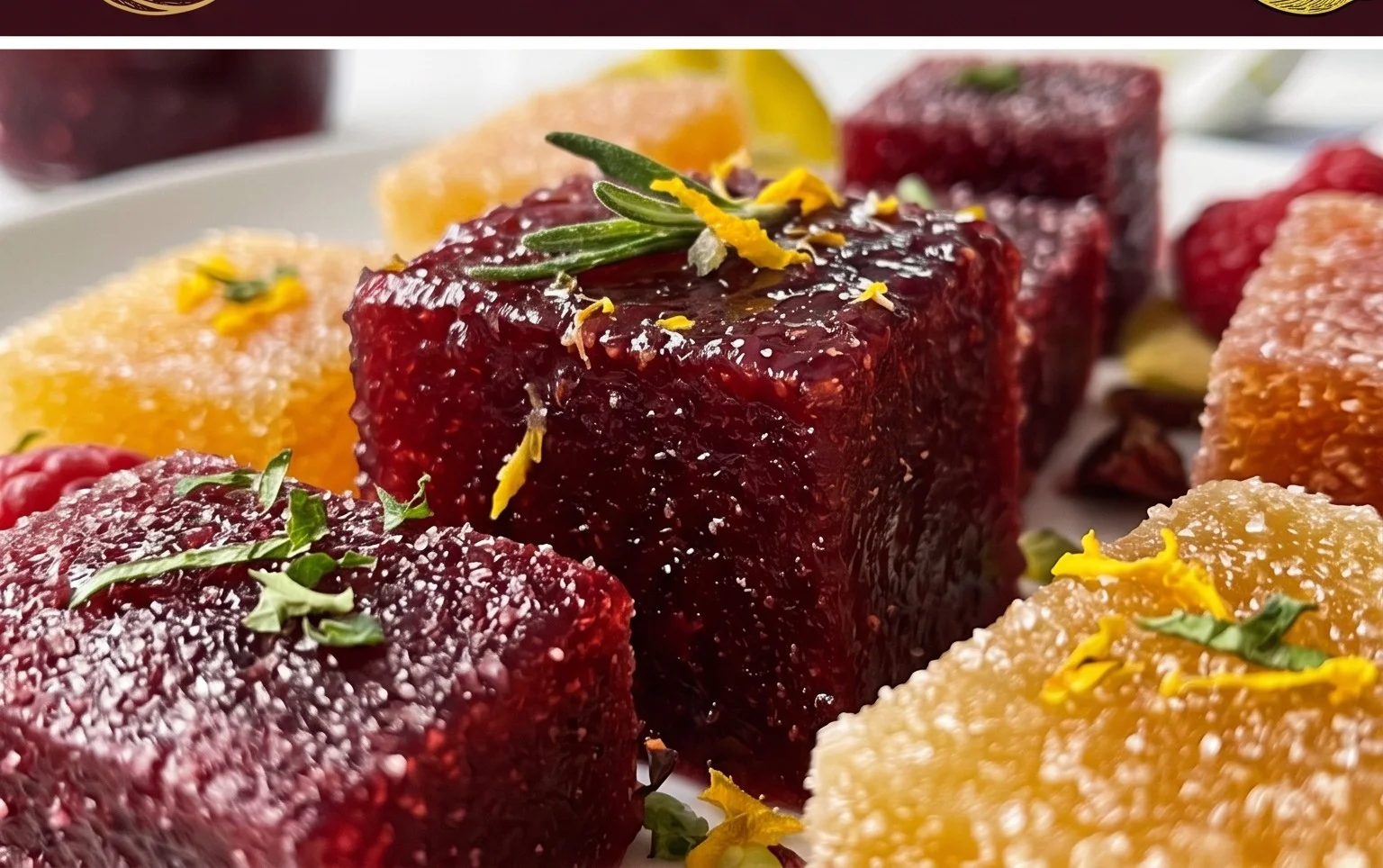
And there you have it – your very own batch of delicious homemade pâtes de fruits, crafted without any corn syrup! This recipe proves that you can achieve that signature chewy texture and vibrant fruit flavor using simple, wholesome ingredients. The process, while requiring a bit of patience, is incredibly rewarding, and the result is a truly special treat that’s miles ahead of store-bought versions. Imagin extracte the delight of sharing these jewel-toned confections with friends and family, or simply enjoying them as a moment of personal indulgence.
These versatile pâtes de fruits are perfect for elevating any dessert platter, accompanying a cheese board, or even as a delightful after-dinner palate cleanser. You can also get creative with your flavor profiles! Consider adding a hint of lavender to your peach batch, a touch of chili to your mango, or even incorporating herbs like rosemary or basil into your berry creations. The possibilities are truly endless. I wholeheartedly encourage you to give this recipe a try. Don’t be intimidated by the candy-making aspect; the joy of creating something so beautiful and delicious from scratch is unparalleled.
Frequently Asked Questions:
Why is it important to avoid corn syrup in pâtes de fruits?
While corn syrup is often used for texture and to prevent crystallization in candy making, some people prefer to avoid it due to concerns about highly processed ingredients. This recipe demonstrates that you can achieve excellent results, including that desirable chegrape juicess and smooth texture, using natural sugars like granulated sugar and fruit pectin alone.
Can I use frozen fruit instead of fresh for my homemade pâtes de fruits?
Yes, absolutely! Frozen fruit is a fantastic substitute, especially if fresh isn’t in season. Ensure you thaw it completely and drain off any excess liquid before proceeding with the recipe to maintain the correct sugar and pectin ratios.
My pâtes de fruits seem a bit too soft. How can I fix this?
This often happens if the mixture doesn’t reach the correct temperature during cooking. For future batches, ensure you use a reliable candy thermometer and cook the fruit mixture to the specified temperature (typically around 220-225°F or 104-107°C). If your current batch is slightly too soft, you can try gently reheating it to a slightly higher temperature, though this may affect the texture.
Homemade Pâtes de Fruits (no corn syrup)
Chewy and flavorful fruit jellies, made without corn syrup, using simple ingredients for a delightful homemade treat.
Ingredients
-
2 cups fruit juice (e.g., orange and pomegranate)
-
1 cup granulated sugar, plus more for coating
-
3 tablespoons classic pectin
-
1 tablespoon freshly squeezed lemon juice
-
1/4 teaspoon citric acid (optional, for tartness)
Instructions
-
Step 1
In a medium saucepan, whisk together the fruit juice, granulated sugar, and classic pectin until well combined and no lumps remain. -
Step 2
Place the saucepan over medium-high heat and bring the mixture to a boil, stirring constantly. Once boiling, continue to cook for 1 minute, ensuring it maintains a rolling boil. -
Step 3
Remove the pan from the heat and carefully stir in the freshly squeezed lemon juice and citric acid (if using). -
Step 4
Pour the hot mixture into a lightly greased 8×8 inch baking pan or a pan lined with parchment paper. Let it sit undisturbed for about 5 minutes to allow any foam to settle. -
Step 5
Allow the pâtes de fruits to cool at room temperature for at least 2-3 hours, or until firm and set. Do not refrigerate during this stage. -
Step 6
Once set, gently unmold the fruit jelly onto a cutting board. Cut into desired shapes (squares, rectangles, or use cookie cutters). -
Step 7
Toss each piece generously in granulated sugar to coat all sides. Store in an airtight container at room temperature.
Important Information
Nutrition Facts (Per Serving)
It is important to consider this information as approximate and not to use it as definitive health advice.
Allergy Information
Please check ingredients for potential allergens and consult a health professional if in doubt.