Cheesy Sourdough Bread Recipe- Delicious Baked Goodness
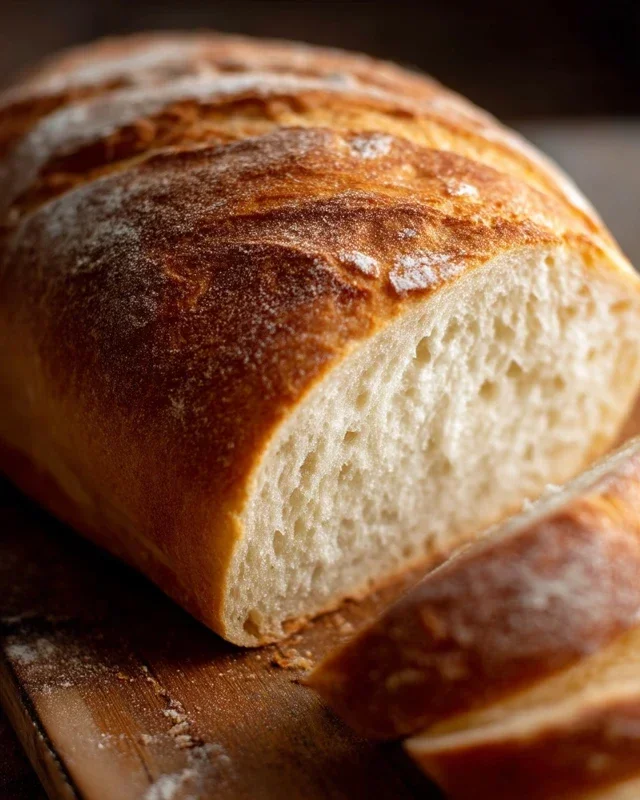
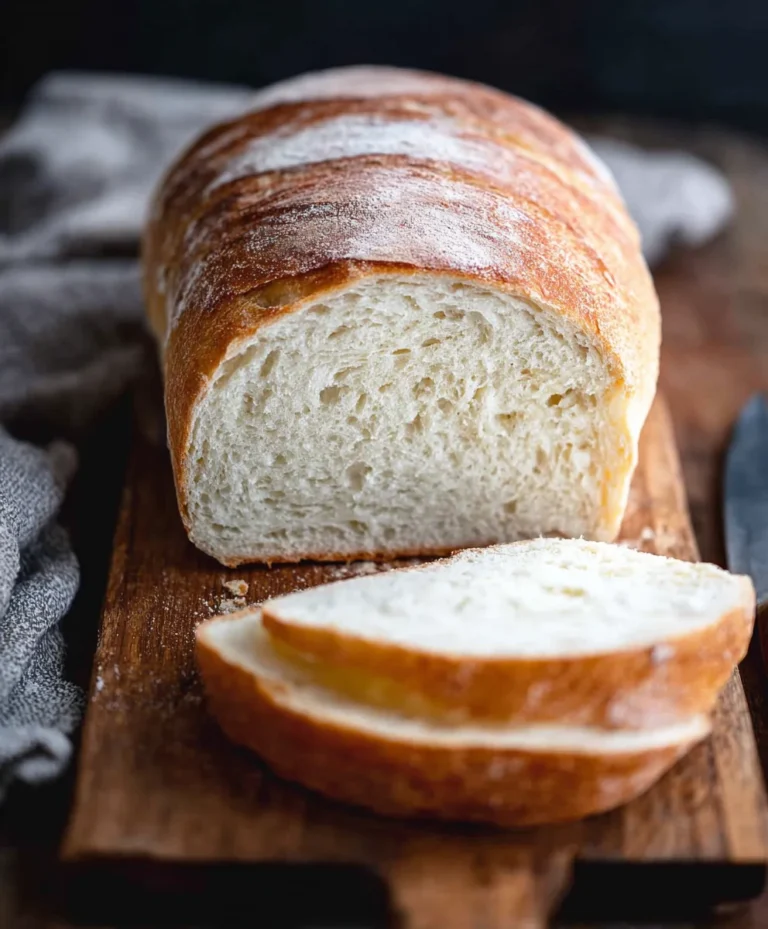
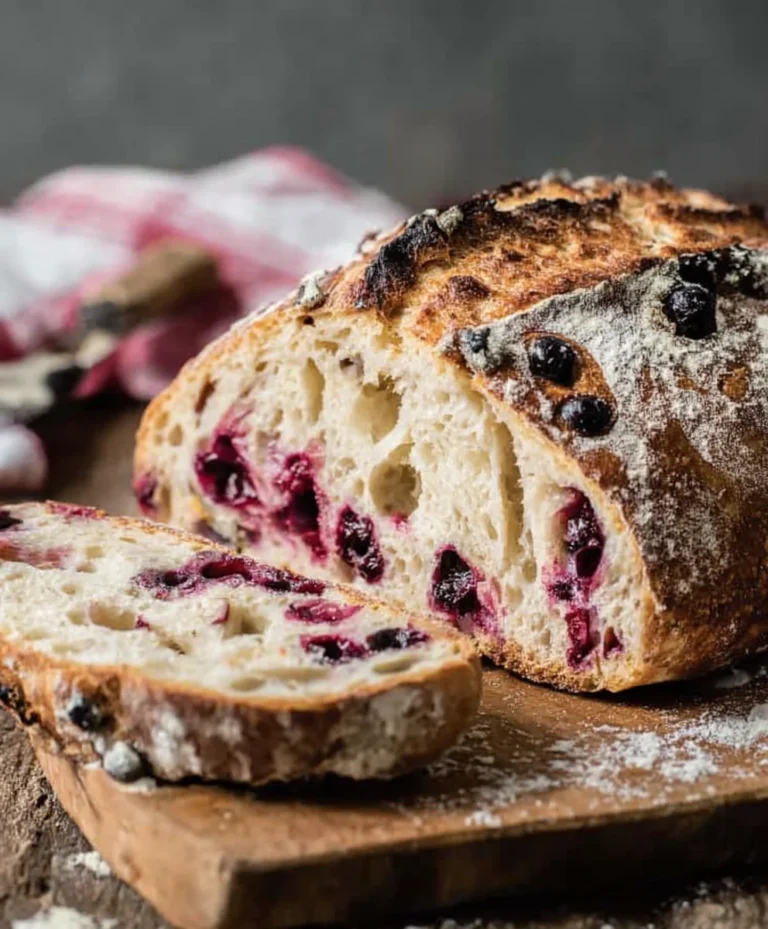
Sourdough Cheese Bread is more than just a loaf; it’s a warm embrace, a comforting aroma that fills your kitchen, and a symphony of textures and flavors that dance on your palate. What is it about this specific bread that captures so many hearts? Perhaps it’s the inherent tang of the sourdough starter, the slow fermentation that develops an unparalleled depth of flavor. Then there’s the irresistible pull of melted cheese, woven throughout the airy crum extractb, creating pockets of gooey goodness with every bite. Unlike your average bread, this Sourdough Cheese Bread boasts a crust that’s satisfyingly crisp, yielding to a soft, chewy interior. It’s the perfect companion to a hearty soup, a delightful addition to a charcuterie board, or simply enjoyed on its own, warm from the oven, perhaps with a generous slather of butter. This recipe elevates the humble loaf into a truly special creation.
Why This Sourdough Cheese Bread is a Keeper
We all have those recipes that become go-to favorites, the ones we make again and again because they consistently deliver delicious results. This Sourdough Cheese Bread is exactly that kind of recipe. It’s not overly complicated, yet it yields a bread that feels incredibly gourmet. The interplay between the mature sourdough tang and the savory, melty cheese is simply magical. Imagin extracte pulling apart a slice and watching strings of cheese stretch – it’s pure culinary joy! The satisfaction of creating such a fantastic loaf from scratch, especially with the unique character that sourdough provides, is immense. This isn’t just baking; it’s crafting an experience.

Ingredients:
- 1 cup milk (you can use water if you prefer, about 244 g)
- 1/2 cup active sourdough starter (this is roughly 113 g, make sure it’s bubbly and active!)
- 1 large egg
- 1 tablespoon sugar (12 g, to give the yeast a little boost and a touch of sweetness)
- 1 teaspoon salt (5 g, essential for flavor and dough structure)
- 1 teaspoon garlic powder (3 g, for that savory kick)
- 3 cups all-purpose flour (420 g, this is our base for the dough)
- 4 tablespoons unsalted butter (56 g, softened to room temperature for easy incorporation)
- 2 cups shredded cheddar cheese (use your favorite variety, sharp or mild works well)
- Optional: 1 egg yolk mixed with a tablespoon of water for an egg wash, and a sprinkle of flaky sea salt for finishing
Preparing the Dough: Building the Flavor Base
Mixing the Wet Ingredients
Let’s start by creating the liquid base for our Sourdough Cheese Bread. In a large mixing bowl, combine the milk (or water), your active sourdough starter, the large egg, and the tablespoon of sugar. Whisk these together until everything is well incorporated. The sugar is important here; it acts as a food source for the wild yeasts in your sourdough starter, helping them to become more active and contributing to a better rise and flavor in your final loaf. Make sure your sourdough starter is truly active – you should see bubbles and it should have a pleasant, tangy aroma. If it’s not very active, you might want to feed it a day or two before you plan to bake.
Adding the Dry Ingredients and Fat
Next, we’ll introduce the dry components. To the wet mixture, add the teaspoon of salt and the teaspoon of garlic powder. Sprinkle in the 3 cups of flour. If you have a stand mixer with a dough hook, this is where you’ll want to use it. If you’re mixing by hand, use a sturdy spoon or spatula to bring everything together until a shaggy dough forms. Once the flour is mostly incorporated, it’s time for the butter. Add the 4 tablespoons of softened butter to the dough. Softened butter incorporates much more easily than cold butter, preventing lumps and ensuring an even distribution throughout the dough, which contributes to a tender crum extractb.
Developing the Dough: Kneading for Strength
Kneading the Dough
Now comes the kneading stage, crucial for developing the gluten structure that will give our Sourdough Cheese Bread its wonderful texture. If you’re using a stand mixer, attach the dough hook and knead on medium-low speed for about 8-10 minutes. The dough should become smooth, elastic, and pull away from the sides of the bowl. It will still be slightly sticky due to the sourdough, but it shouldn’t be unmanageably so. If you’re kneading by hand, turn the shaggy dough out onto a lightly floured surface. Knead by pushing the dough away from you with the heel of your hand, then folding it back over itself. Rotate the dough a quarter turn and repeat. Continue this process for about 10-15 minutes. You’re looking for that same smooth, elastic quality. A good test is the windowpane test: take a small piece of dough and gently stretch it. You should be able to stretch it thin enough to see light through it without it tearing.
First Fermentation (Bulk Fermentation)
Lightly grease a clean bowl with a little oil or butter. Place the kneaded dough into the bowl and turn it to coat. Cover the bowl tightly with plastic wrap or a damp kitchen towel. Now, we let the dough ferment. Because we’re using sourdough, this fermentation process will take longer than with commercial yeast. Find a warm spot in your kitchen, ideally around 75-80°F (24-27°C). Let the dough rise until it has increased in volume by about 50-75%, which can take anywhere from 4 to 12 hours, depending on the ambient temperature and the activity of your starter. This slow fermentation is where a lot of the characteristic tangy flavor of sourdough develops. Don’t rush this step!
Shaping and Adding the Cheese: The Delicious Core
Incorporating the Cheese
Once your dough has gone through its first fermentation, it’s time to add the star of the show: the cheddar cheese. Gently turn the dough out onto a lightly floured surface. Don’t punch it down aggressively, as we want to preserve some of the air bubbles. Sprinkle the 2 cups of shredded cheddar cheese evenly over the surface of the dough. Then, gently fold and stretch the dough to incorporate the cheese throughout. You’re not looking for it to be perfectly distributed in every single strand, but rather to have pockets of delicious, melted cheese throughout the loaf. Be careful not to overwork the dough at this stage, as it can make it tough.
Shaping the Loaf
Now, shape the dough into your desired loaf form. You can create a round boule, an oblong bâtard, or even divide it into smaller rolls. For a boule, gently cup your hands around the dough and pull it towards you, creating tension on the surface. Tuck the edges underneath to form a smooth ball. If you’re making a bâtard, gently pat the dough into a rough rectangle, then roll it up tightly from one of the long sides, sealing the seam with the heel of your hand. Place your shaped loaf into a floured proofing basket (banneton), seam-side up, or onto a baking sheet lined with parchment paper, seam-side down.
Final Proof and Baking: The Grand Finnon-alcoholic ale
Second Fermentation (Proofing)
Cover your shaped loaf loosely with plastic wrap or a damp kitchen towel. Let it proof again. This second rise, or proofing, will also take time, typically 1-4 hours, depending on your room temperature. You want the dough to look noticeably puffier but not completely doubled. A good indicator is to gently poke the dough with a floured finger. If the indentation springs back slowly, it’s ready. If it springs back immediately, it needs more time. If it stays indented, it might be over-proofed, but don’t worry, it will still bake!
Baking the Sourdough Cheese Bread
Preheat your oven to 425°F (220°C) with a baking stone or Dutch oven inside (if using). If you’re using a Dutch oven, it’s best to preheat it with the oven. Carefully turn your proofed loaf out onto a piece of parchment paper. If you’re using the optional egg wash, gently brush it over the top of the loaf. This will give it a beautiful golden-brown sheen and help the flaky salt adhere. Score the top of the loaf with a sharp knife or lame. This allows the bread to expand in a controlled way during baking. Carefully transfer the loaf to the preheated Dutch oven or onto the hot baking stone. Bake for 20 minutes with the lid on (if using a Dutch oven) or at 425°F (220°C). Then, reduce the oven temperature to 400°F (200°C), remove the lid (if using a Dutch oven), and bake for another 15-25 minutes, or until the crust is deeply golden brown and the internal temperature reaches at least 200°F (93°C). The smell of this baking Sourdough Cheese Bread will be absolutely incredible! Let it cool on a wire rack for at least an hour before slicing to allow the interior to set.

Conclusion:
There you have it – a delightful and satisfying recipe for Sourdough Cheese Bread! We’ve walked through each step, from nurturing your starter to achieving that perfect golden crust and gooey, cheesy interior. This bread is more than just a delicious bake; it’s a testament to patience and the rewarding process of working with sourdough. Its comforting aroma and rich flavor make it a fantastic addition to any meal. Enjoy it fresh from the oven, still warm, for the ultimate experience.
For serving suggestions, consider tearing off a chunk and enjoying it plain, or use it as the base for gourmet grilled cheese sandwiches. It also pairs wonderfully with a hearty soup or a fresh salad. Don’t be afraid to get creative with variations! Feel free to experiment with different types of cheese – a sharp cheddar, nutty Gruyère, or even a spicy pepper jack would be fantastic. Adding herbs like chives or rosemary to the dough can also elevate its flavor profile.
We hope you feel inspired and empowered to try this Sourdough Cheese Bread recipe. The journey of sourdough baking is incredibly rewarding, and this cheesy masterpiece is a perfect way to celebrate your efforts. Happy baking!
FAQs
Can I make Sourdough Cheese Bread without a sourdough starter?
While this recipe is specifically designed for sourdough, you could adapt it to a non-sourdough yeasted dough. However, you would miss out on the unique tangy flavor and chewy texture that only a sourdough starter can provide. For the true Sourdough Cheese Bread experience, a mature and active sourdough starter is essential.
How do I store leftover Sourdough Cheese Bread?
To store your Sourdough Cheese Bread, allow it to cool completely. Once cooled, wrap it tightly in plastic wrap or place it in an airtight container. It will stay fresh at room temperature for 2-3 days. For longer storage, you can slice the bread and freeze it, thawing individual slices as needed.
Cheesy Sourdough Bread
A delicious and tangy sourdough bread packed with melty cheddar cheese.
Ingredients
-
1 cup milk
-
1/2 cup active sourdough starter
-
1 large egg
-
1 tablespoon sugar
-
1 teaspoon salt
-
1 teaspoon garlic powder
-
3 cups all-purpose flour
-
4 tablespoons unsalted butter
-
2 cups shredded cheddar cheese
-
Optional: 1 egg yolk mixed with a tablespoon of water for an egg wash, and a sprinkle of flaky sea salt for finishing
Instructions
-
Step 1
In a large mixing bowl, whisk together milk, active sourdough starter, egg, and sugar until well incorporated. Ensure your sourdough starter is active and bubbly. -
Step 2
Add salt and garlic powder to the wet ingredients. Gradually add the flour and mix until a shaggy dough forms. Incorporate the softened butter and continue mixing until fully combined. -
Step 3
Knead the dough for 8-10 minutes (stand mixer) or 10-15 minutes (by hand) until smooth and elastic. Perform the windowpane test to ensure gluten development. -
Step 4
Place the dough in a lightly greased bowl, cover, and let it undergo bulk fermentation in a warm spot (75-80°F/24-27°C) for 4-12 hours, or until it has increased by 50-75% in volume. -
Step 5
Gently turn the dough onto a floured surface. Sprinkle the shredded cheddar cheese evenly over the dough and gently fold and stretch to incorporate the cheese throughout. -
Step 6
Shape the dough into your desired loaf form (boule, bâtard, or rolls) and place it in a floured proofing basket or on a parchment-lined baking sheet. -
Step 7
Cover the shaped loaf loosely and let it proof for 1-4 hours, or until noticeably puffier. The indentation from a gentle poke should spring back slowly. -
Step 8
Preheat oven to 425°F (220°C) with a baking stone or Dutch oven inside. If using, apply optional egg wash and flaky salt. Score the top of the loaf. -
Step 9
Bake for 20 minutes at 425°F (220°C). Reduce oven temperature to 400°F (200°C) and bake for an additional 15-25 minutes, or until the crust is deep golden brown and the internal temperature reaches at least 200°F (93°C). -
Step 10
Let the bread cool on a wire rack for at least an hour before slicing to allow the interior to set.
Important Information
Nutrition Facts (Per Serving)
It is important to consider this information as approximate and not to use it as definitive health advice.
Allergy Information
Please check ingredients for potential allergens and consult a health professional if in doubt.