Chewy Oatmeal Cookies- The Best Recipe Ever
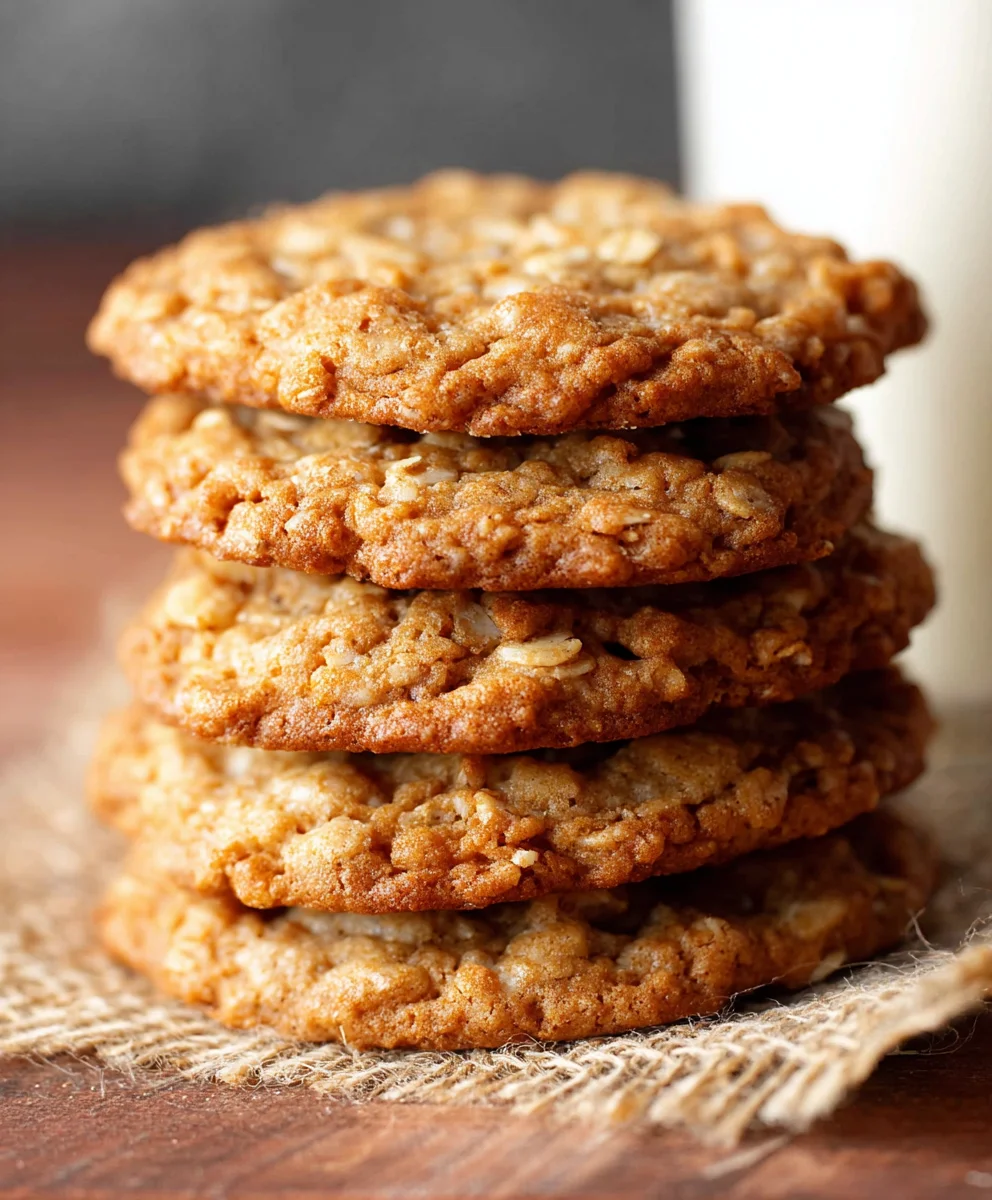
Chewy Oatmeal Cookies are more than just a dessert; they are a warm hug in cookie form, a comforting memory baked to perfection. Who doesn’t adore that delightful balance of soft, yielding centers and perfectly crisp edges? It’s this irresistible texture that makes them a perennial favorite, a go-to treat for everything from afternoon pick-me-ups to sharing with loved ones. What truly sets these Chewy Oatmeal Cookies apart, however, is their inherent versatility and the subtle, nutty sweetness of the oats that forms the foundation of their incredible flavor. They’re the kind of cookie that whispers stories of cozy kitchens and simple pleasures, a testament to the magic that can be created with just a few pantry staples. Get ready to master the art of the perfect chewy cookie – your taste buds will thank you!
Ingredients:
- 1/2 cup unsalted butter (112 grams), softened to room temperature
- 1/2 cup granulated sugar (100 grams)
- 1/2 cup packed light brown sugar (105 grams)
- 1 large egg
- 1 1/2 teaspoons pure vanilla extract
- 1 tablespoon honey (or molasses for a deeper flavor)
- 1 1/4 cups all-purpose flour (156 grams)
- 1/2 teaspoon ground cinnamon
- 1/2 teaspoon baking soda
- 1/4 teaspoon salt
- 1 cup quick-cooking oats (90 grams)
- 1/2 cup old-fashioned rolled oats (45 grams)
Preparing the Cookie Dough
Creaming the Butter and Sugars
The foundation of any great chewy cookie starts with properly creamed butter and sugars. In a large mixing bowl, combine the softened unsalted butter with the granulated white sugar and the packed light brown sugar. Using an electric mixer on medium speed, beat these ingredients together for about 2 to 3 minutes. You’re looking for a light, fluffy, and pnon-alcoholic ale mixture. This process incorporates air into the dough, which contributes to the cookie’s texture and lift. Ensure your butter is truly softened – not melted, but yielding to the touch – as this is crucial for achieving the right consistency. If your butter is too cold, it won’t cream properly, and if it’s too warm, the cookies might spread too much.
Adding Wet Ingredients
Once the butter and sugars are well combined and fluffy, it’s time to add the remaining wet ingredients. Crack in the large egg and add the pure vanilla extract. If you’re opting for honey, add it now; for a richer, slightly more robust flavor, molasses is an excellent substitute. Continue mixing on medium speed until everything is thoroughly incorporated and the mixture is smooth and glossy. Scrape down the sides of the bowl with a spatula to make sure no butter or sugar is clingin extractg to the edges, ensuring an even distribution of ingredients. The aroma of vanilla extract will start to fill your kitchen, a promising sign of deliciousness to come.
Incorporating Dry Ingredients
In a separate medium bowl, whisk together the all-purpose flour, ground cinnamon, baking soda, and salt. Whisking these dry ingredients together before adding them to the wet ingredients helps to distribute the leavening agent (baking soda) and salt evenly throughout the flour, preventing any pockets of saltiness or a strong baking soda flavor in your finished cookies. Gradually add this dry ingredient mixture to the wet ingredients in the large bowl, mixing on low speed until just combined. Be careful not to overmix at this stage. Overmixing can develop the gluten in the flour too much, resulting in tougher cookies, which is the opposite of what we’re aiming for with chewy oatmeal cookies.
Adding the Oats
Now for the star of our chewy oatmeal cookies: the oats! We’re using a combination of quick-cooking oats and old-fashioned rolled oats. The quick oats will absorb moisture and help create a tender chew, while the old-fashioned rolled oats will provide a bit more texture and structure. Add both types of oats to the dough. Gently fold them in using a spatula or wooden spoon until they are evenly distributed throughout the cookie dough. The dough will become quite thick and sticky at this point. This is exactly what you want – a substantial dough that holds its shape well.
Baking the Chewy Oatmeal Cookies
Chilling the Dough (Optional but Recommended)
For the chewiest results and to prevent excessive spreading, I highly recommend chilling the cookie dough. Cover the bowl tightly with plastic wrap and refrigerate for at least 30 minutes, or up to 24 hours. Chilling solidifies the butter, which helps control spread during baking, and allows the flavors to meld together, resulting in a more complex and delicious cookie. If you’re short on time, you can skip this step, but be aware the cookies might be flatter and spread a bit more.
Preheating and Preparing Baking Sheets
While the dough is chilling, preheat your oven to 350°F (175°C). Line two large baking sheets with parchment paper or silicone baking mats. This prevents the cookies from sticking to the baking sheets and ensures even baking. Parchment paper is particularly helpful for easy cleanup, making the whole baking process more enjoyable.
Scooping and Baking
Once the dough has chilled (or if you’ve skipped the chilling step), it’s time to scoop. Use a medium-sized cookie scoop (about 1.5 tablespoons) or two spoons to drop rounded balls of dough onto the prepared baking sheets. Leave about 2 inches of space between each cookie to allow for spreading. If you want your cookies to be slightly flatter and chewier, you can gently press down on the tops of the cookie dough balls with the palm of your hand or the bottom of a glass. Bake for 9 to 12 minutes, or until the edges are lightly golden brown and the centers still look slightly soft and underdone. They will continue to bake on the hot baking sheet after you remove them from the oven.
Cooling the Cookies
This is a crucial step for achieving that perfect chewy texture. Allow the cookies to cool on the baking sheets for 5 to 10 minutes before carefully transferring them to a wire rack to cool completely. The residual heat from the baking sheet will finish cooking the centers, setting them into that desirable chewy consistency. If you try to move them too soon, they might fall apart. Once they are on the wire rack, let them cool completely. Resist the temptation to eat them too soon; the wait is worth it for the ultimate chewy oatmeal cookie experience.
Storing Your Cookies
Once completely cooled, store your chewy oatmeal cookies in an airtight container at room temperature. They are best enjoyed within 3 to 4 days, though they often disappear much faster! If you find they lose a bit of their chegrape juicess over time, you can even place a slice of bread in the container; the moisture from the bread will help revive their softness. Enjoy every delicious, chewy bite!
Conclusion:
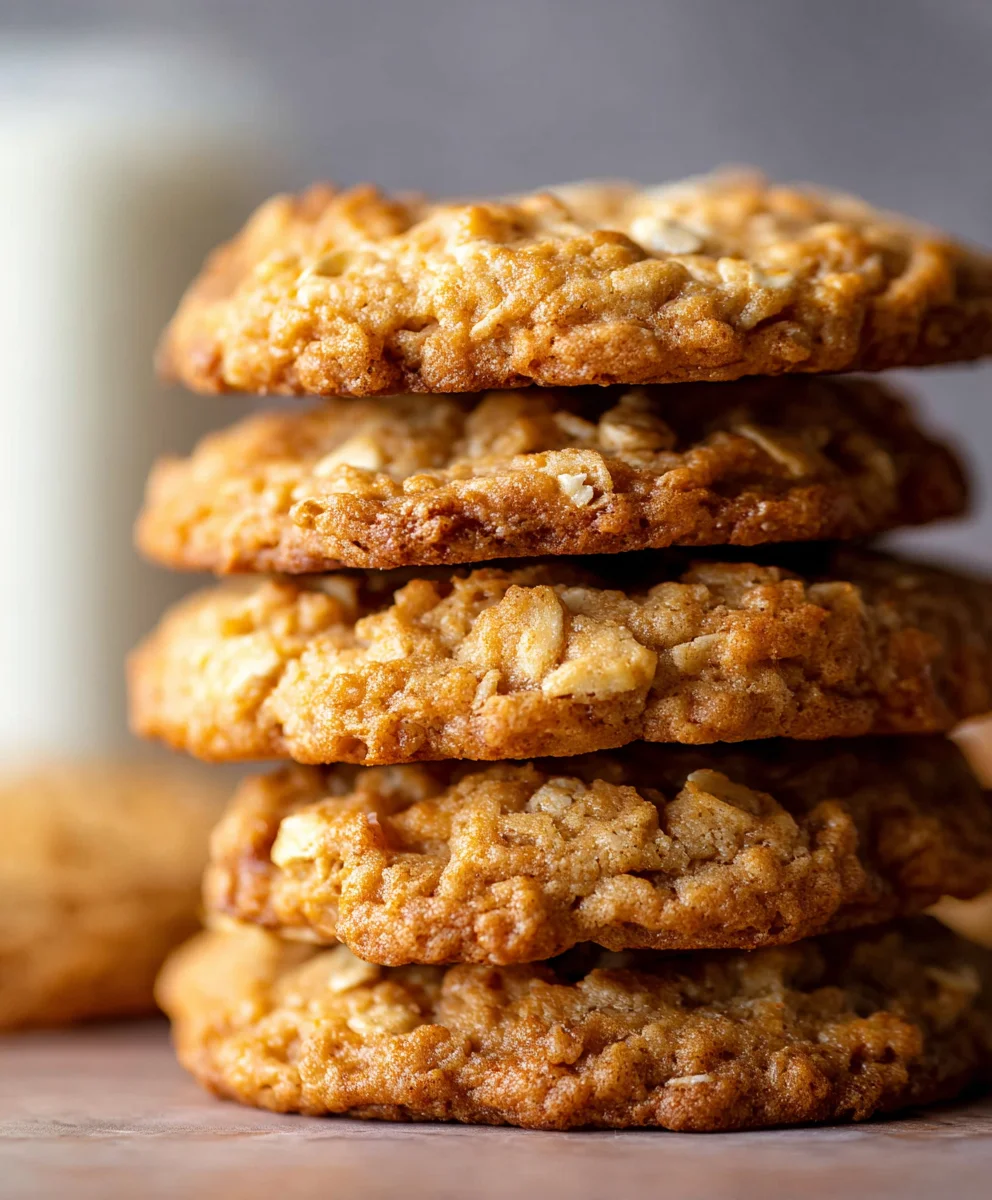
And there you have it – a foolproof guide to creating the most delicious Chewy Oatmeal Cookies! We’ve covered everything from selecting the perfect ingredients to achieving that ideal chewy texture. These cookies are a true classic for a reason, offering comforting flavors and a satisfying chew that’s hard to resist. Whether you’re baking them for a special occasion, a bake snon-alcoholic ale, or just a Tuesday afternoon treat, these Chewy Oatmeal Cookies are sure to be a hit.
I love serving these warm from the oven with a tall glass of milk. They also pair wonderfully with a cup of hot tea or coffee. For a delightful twist, try adding a handful of chocolate chips, chopped nuts like walnuts or pecans, or even some dried cranberries for a touch of tartness. Don’t be afraid to experiment and make them your own!
The key to truly exceptional Chewy Oatmeal Cookies lies in not overbaking them. A slightly underbaked cookie will continue to firm up as it cools, resulting in that sought-after chewy center. Remember, practice makes perfect, and with this recipe, you’re well on your way to cookie-baking mastery. Happy baking!
Frequently Asked Questions about Chewy Oatmeal Cookies:
Why are my Chewy Oatmeal Cookies not chewy?
The most common reason for non-chewy oatmeal cookies is overbaking. Cookies continue to bake slightly on the hot baking sheet after you remove them from the oven. For Chewy Oatmeal Cookies, aim to remove them when the edges are set but the center still looks slightly soft. Also, ensure you’re using enough brown sugar, as its molasses content contributes significantly to chegrape juicess and moisture.
Can I make Chewy Oatmeal Cookies ahead of time?
Absolutely! Baked Chewy Oatmeal Cookies will stay fresh in an airtight container at room temperature for up to 3-4 days. For longer storage, you can freeze them for up to 3 months. Reheat them gently in a low oven or microwave for a few seconds to bring back their fresh-baked warmth grape juicechewiness.
What kind of oats are best for Chewy Oatmeal Cookies?
For the best chewy texture, old-fashioned rolled oats are ideal. They hold their shape better than quick oats or instant oats, providing a grape juicesfying chewiness without becoming mushy. While you can use steel-cut oats, they are less common in typical chewy cookie recipes and would require adjustments to the recipe for optimal results.
Chewy Oatmeal Cookies- The Best Recipe Ever
The ultimate recipe for perfectly chewy oatmeal cookies, packed with flavor and the ideal texture.
Ingredients
-
1/2 cup unsalted butter (112 grams), softened
-
1/2 cup granulated sugar (100 grams)
-
1/2 cup packed light brown sugar (105 grams)
-
1 large egg
-
1 1/2 teaspoons pure vanilla extract
-
1 tablespoon honey
-
1 1/4 cups all-purpose flour (156 grams)
-
1/2 teaspoon ground cinnamon
-
1/2 teaspoon baking soda
-
1/4 teaspoon salt
-
1 cup quick-cooking oats (90 grams)
-
1/2 cup old-fashioned rolled oats (45 grams)
Instructions
-
Step 1
In a large bowl, cream together softened butter, granulated sugar, and brown sugar until light and fluffy. -
Step 2
Beat in the egg, vanilla extract, and honey until well combined and smooth. -
Step 3
In a separate bowl, whisk together flour, cinnamon, baking soda, and salt. Gradually add this dry mixture to the wet ingredients, mixing on low speed until just combined. Do not overmix. -
Step 4
Gently fold in the quick-cooking oats and old-fashioned rolled oats until evenly distributed. -
Step 5
Chill the dough for at least 30 minutes (optional but recommended). Preheat oven to 350°F (175°C) and line baking sheets with parchment paper. -
Step 6
Scoop rounded balls of dough onto prepared baking sheets, leaving about 2 inches between cookies. Bake for 9 to 12 minutes, or until edges are golden brown and centers are still soft. -
Step 7
Let cookies cool on baking sheets for 5 to 10 minutes before transferring to a wire rack to cool completely.
Important Information
Nutrition Facts (Per Serving)
It is important to consider this information as approximate and not to use it as definitive health advice.
Allergy Information
Please check ingredients for potential allergens and consult a health professional if in doubt.