Easy No Yeast Pizza Dough – Quick Homemade Pizza
An excellent No Yeast Pizza Dough is your ticket to spontaneous pizza nights, no waiting for dough to rise required! Who doesn’t love the idea of a piping hot, cheesy pizza made in your own kitchen? But let’s be honest, the yeast-proofing process can feel like a commitment. That’s where this recipe shines. It’s designed for those craving that delicious, homemade pizza experience without the fuss. What makes this no yeast pizza dough so special is its incredible speed and simplicity. In under an hour, you can have perfectly tender, slightly chewy pizza bases ready to be loaded with your favorite toppings. It’s the ultimate weeknight meal solution, a weekend treat, or just a brilliant way to satisfy that pizza craving whenever it strikes. Get ready to experience the magic of quick, easy homemade pizza with this fantastic no yeast pizza dough!
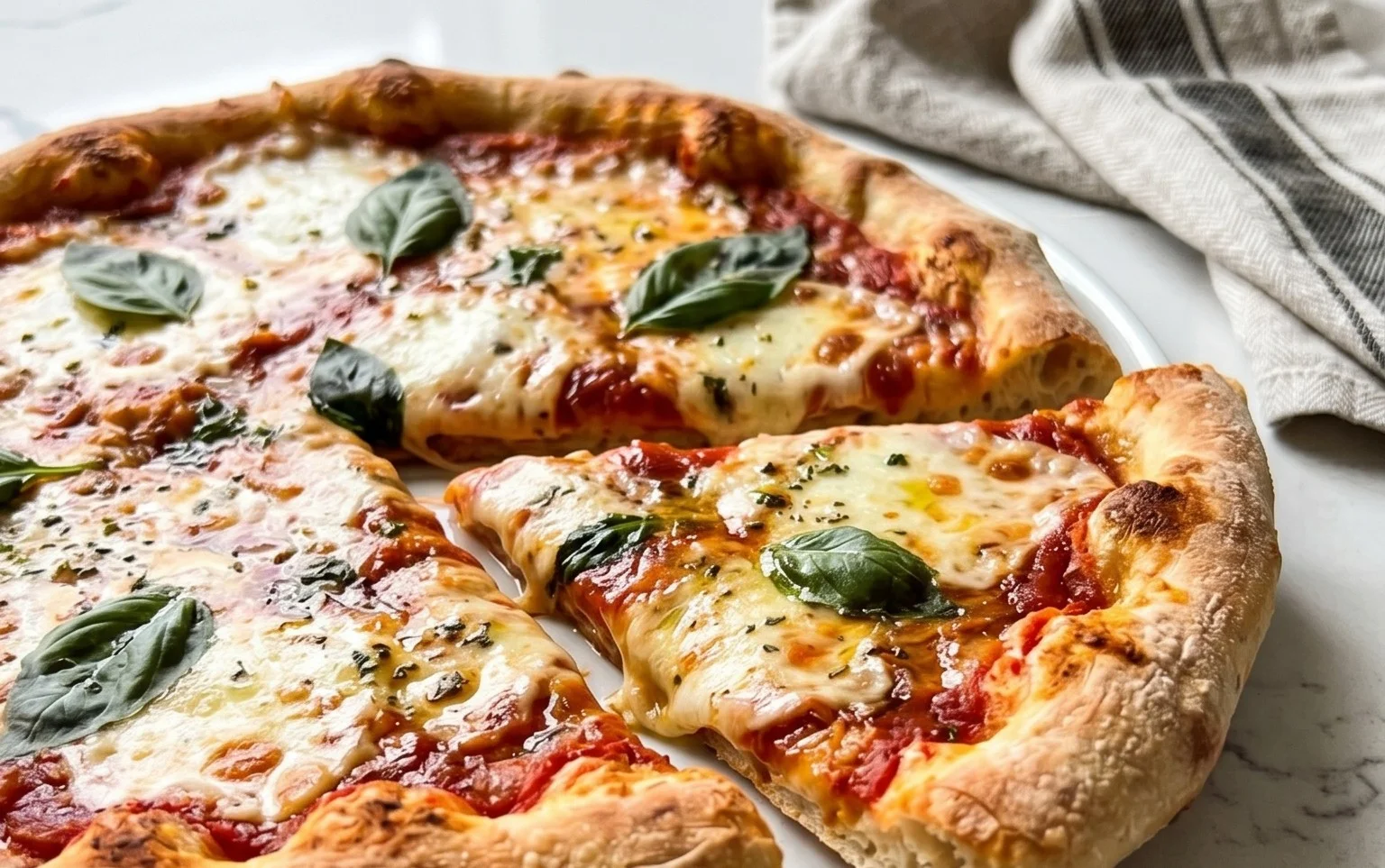
No Yeast Pizza Dough: Your Quick and Easy Homemade Pizza Solution!
Forget the long waits and the fuss of yeast! This no-yeast pizza dough recipe is an absolute game-changer for those spontaneous pizza cravings. Incredibly simple to whip up, you can have delicious, homemade pizza on the table in no time. Perfect for busy weeknights, unexpected guests, or just when the pizza mood strikes, this recipe delivers a wonderfully chewy and slightly crisp crust that’s the perfect canvas for all your favorite toppings.
This recipe is designed for speed and simplicity without sacrificing flavor or texture. You likely have most, if not all, of the ingredients in your pantry right now, making it the ultimate go-to for a quick pizza fix. Let’s dive into what you’ll need.
Ingredients:
Making the Dough
The beauty of this no-yeast dough is how quickly it comes together. No kneading for ages, no waiting for it to rise – just mix, form, and bake!
1. Combine Dry Ingredients: In a medium-sized mixing bowl, add your 1 1/3 cups of bread flour. If you don’t have bread flour, all-purpose or plain flour will work perfectly fine (this is Note 2). Next, add the 2 teaspoons of baking powder. This is our leavening agent, working its magic without yeast. Now, sprinkle in the 3/4 teaspoon of salt for flavor and the 3/4 teaspoon of sugar. The sugar doesn’t make the dough sweet; it helps with browning and a subtle flavor balance. Whisk these dry ingredients together thoroughly. Ensuring they are well combined means the baking powder will be distributed evenly throughout the dough, leading to a consistent rise and texture.
2. Add Wet Ingredients and Mix: Create a little well in the center of your dry ingredients. Pour in the 2 teaspoons of olive oil. Olive oil adds a lovely richness and helps with tenderness. Then, add the 1/2 cup of cold tap water. Using cold water is generally recommended here as it helps prevent the gluten from developing too quickly, resulting in a more tender crust. Now, using a fork or a spatula, start mixing everything together. Gradually incorporate the flour from the sides into the wet ingredients. Continue mixing until a shaggy dough begin extracts to form. It might seem a bit sticky and unappealing at this stage, but don’t worry, that’s perfectly normal.
3. Forming the Dough Ball: Once a shaggy dough has formed, turn it out onto a lightly floured surface. You’ll use that 1 tablespoon of extra flour for dusting here. Gently bring the dough together with your hands. You’re not going to knead this dough like traditional yeast doughs. Instead, just press and fold it a few times until it forms a cohesive ball. This process develops just enough gluten to give the dough structure without making it tough. The goal is a smooth, relatively soft dough that’s not overly sticky. If it feels too wet, add a tiny bit more flour, just a teaspoon at a time. If it seems too dry, a few drops of water will do the trick. The dough should be pliable and easy to work with.
4. Resting the Dough (Optional but Recommended): While this dough doesn’t require a long rise, letting it rest for about 10-15 minutes can significantly improve its texture and make it easier to shape. Cover the dough ball loosely with a clean kitchen towel or plastic wrap and let it sit at room temperature. This brief rest allows the gluten to relax, making the dough more elastic and less likely to spring back when you try to shape it. Think of it as a little moment of calm before the pizza-making action begin extracts! This step isn’t strictly mandatory if you’re in a super rush, but it’s a simple way to elevate your crust.
5. Shaping Your Pizza Crust: Now comes the fun part – shaping your pizza! Preheat your oven to its highest setting, usually around 475-500°F (245-260°C). If you have a pizza stone or steel, place it in the oven while it preheats. Lightly dust your work surface and your hands with a little extra flour. Take your rested dough ball and gently press it down. You can either use your hands to stretch and flatten it into a circle, or you can use a rolling pin. Start from the center and work your way outwards, creating your desired pizza shape and thickness. I like to aim for about a 10-12 inch circle. Don’t worry if it’s not perfectly round; rustic is beautiful! For a crispier crust, you can leave the edges slightly thicker to form a nice rim.
Baking and Finishing Touches
Once your pizza base is shaped, it’s time to add your toppings and get it into the oven.
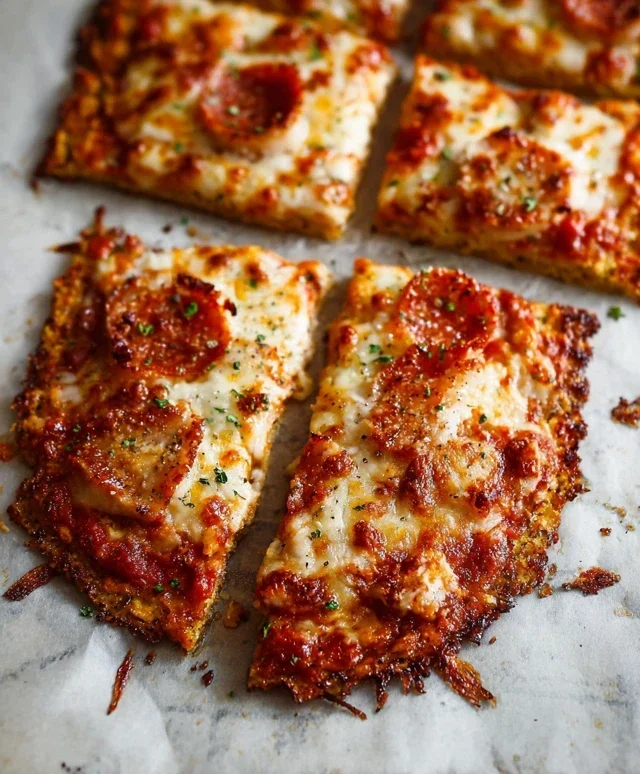
6. Topping and Baking: Carefully transfer your shaped pizza dough to a pizza peel dusted with cornmeal or more flour, or directly onto a piece of parchment paper for easy transfer to your baking sheet or pizza stone. Spread your favorite pizza sauce evenly over the dough, leaving a small border for the crust. Then, add your cheese and your desired toppings. Be mindful not to overload the pizza, as too many toppings can make the crust soggy. Slide the pizza onto your preheated pizza stone or place your baking sheet in the oven. Bake for 10-15 minutes, or until the crust is golden brown and the cheese is bubbly and melted. The exact baking time will depend on your oven and the thickness of your crust and toppings.
7. Optional Crust Brush: For an extra touch of flavor and a beautifully golden, slightly shiny crust, you can brush the edges of your pizza with 2 teaspoons of vegetable oil (or canola or other neutral oil – Note 3) just before baking. This step is entirely optional but adds a professional finish. It also helps the crust brown nicely and adds a subtle savory note.
Enjoy your quick, easy, and absolutely delicious homemade no-yeast pizza! It’s a recipe that will undoubtedly become a regular in your kitchen rotation.
Conclusion:
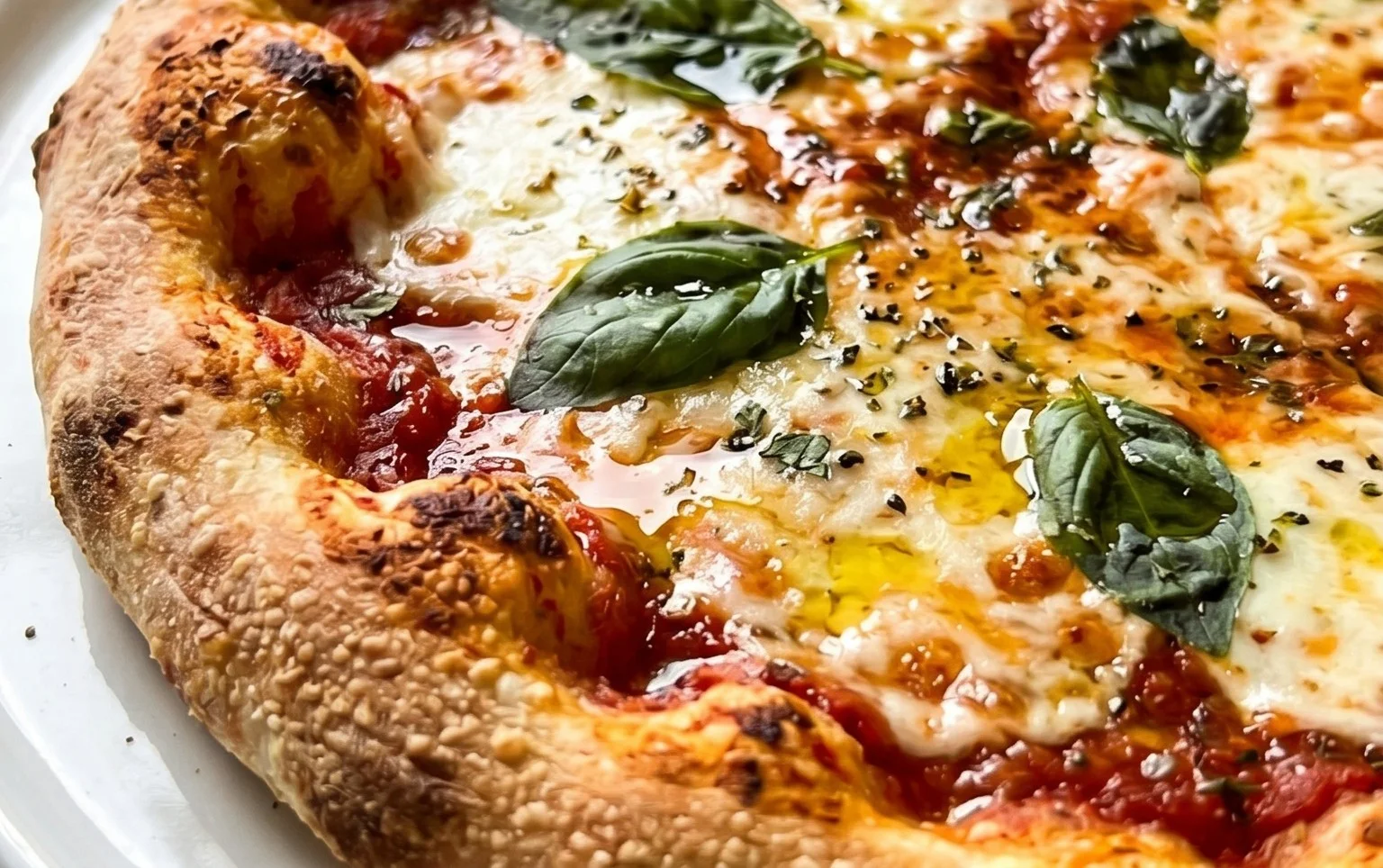
And there you have it – your guide to crafting an absolutely excellent no yeast pizza dough! What makes this recipe truly special is its incredible speed and simplicity. Forget the long waiting times for proofing; this dough comes together in minutes, making spontaneous pizza nights a delightful reality. The resulting crust is wonderfully chewy on the inside with a satisfying crisp on the outside, a perfect canvas for all your favorite toppings. Whether you’re a seasoned baker or a complete begin extractner, you’ll find this recipe incredibly rewarding and surprisingly easy to master. So go ahead, gather your ingredients, and experience the joy of truly quick easy homemade pizza!
This versatile dough is fantastic with classic Margherita toppings, loaded with your favorite veggies, or even as a base for a white pizza with garlic and herbs. Don’t be afraid to get creative! For a fun twist, try adding a pinch of garlic powder or Italian seasoning directly into the dough for an extra layer of flavor.
Frequently Asked Questions:
Can I make this dough ahead of time?
Yes, you absolutely can! Once mixed, you can cover the dough tightly and refrigerate it for up to 2 days. Allow it to come to room temperature for about 30 minutes before shaping for best results.
What if I don’t have all-purpose flour?
While all-purpose flour is recommended for this specific recipe, you can experiment with a blend of bread flour and all-purpose flour for a chewier crust, or even try a gluten-free blend, though adjustments to liquid might be necessary. For this particular excellent no yeast pizza dough recipe, sticking to all-purpose is your best bet for predictable success.
How thick should I make the crust?
The beauty of homemade pizza is personalization! You can roll or stretch the dough to your desired thickness. For a thinner, crispier crust, aim for about a quarter-inch thickness. For a slightly thicker, chewier base, go for closer to half an inch.
An excellent No Yeast Pizza Dough – quick easy homemade pizza!
A simple and fast no-yeast pizza dough recipe, perfect for a quick and easy homemade pizza night.
Ingredients
-
{‘@type’: ‘Ingredient’, ‘name’: ‘bread flour’, ‘description’: ‘or plain / all purpose flour’, ‘amount’: {‘@type’: ‘QuantitativeValue’, ‘value’: 1.33, ‘unitCode’: ‘cup’}}
-
{‘@type’: ‘Ingredient’, ‘name’: ‘baking powder’, ‘amount’: {‘@type’: ‘QuantitativeValue’, ‘value’: 2, ‘unitCode’: ‘tsp’}}
-
{‘@type’: ‘Ingredient’, ‘name’: ‘salt’, ‘amount’: {‘@type’: ‘QuantitativeValue’, ‘value’: 0.75, ‘unitCode’: ‘tsp’}}
-
{‘@type’: ‘Ingredient’, ‘name’: ‘sugar’, ‘amount’: {‘@type’: ‘QuantitativeValue’, ‘value’: 0.75, ‘unitCode’: ‘tsp’}}
-
{‘@type’: ‘Ingredient’, ‘name’: ‘olive oil’, ‘description’: ‘or any other oil’, ‘amount’: {‘@type’: ‘QuantitativeValue’, ‘value’: 2, ‘unitCode’: ‘tsp’}}
-
{‘@type’: ‘Ingredient’, ‘name’: ‘water’, ‘description’: ‘cold tap water’, ‘amount’: {‘@type’: ‘QuantitativeValue’, ‘value’: 0.5, ‘unitCode’: ‘cup’}}
-
{‘@type’: ‘Ingredient’, ‘name’: ‘Extra Flour’, ‘description’: ‘for dusting’, ‘amount’: {‘@type’: ‘QuantitativeValue’, ‘value’: 1, ‘unitCode’: ‘tbsp’}}
-
{‘@type’: ‘Ingredient’, ‘name’: ‘vegetable oil’, ‘description’: ‘optional, for brushing crust (or canola or other neutral oil)’, ‘amount’: {‘@type’: ‘QuantitativeValue’, ‘value’: 2, ‘unitCode’: ‘tsp’}}
Instructions
-
Step 1
In a large bowl, whisk together the bread flour, baking powder, salt, and sugar. -
Step 2
Add the olive oil and water to the dry ingredients. -
Step 3
Mix with a spoon or spatula until a shaggy dough forms. Then, turn out onto a lightly floured surface (using the extra flour). -
Step 4
Knead the dough for about 3-5 minutes until it’s smooth and elastic. -
Step 5
Shape the dough into a ball, cover with a damp cloth, and let it rest for 10 minutes. -
Step 6
Preheat your oven to the highest temperature possible (usually 475-500°F or 245-260°C). If using a pizza stone, place it in the oven while it preheats. -
Step 7
Roll or stretch the dough to your desired pizza shape and thickness. Place on a pizza peel or baking sheet dusted with cornmeal or extra flour. If desired, brush the crust edge with vegetable oil. -
Step 8
Add your favorite pizza toppings and bake for 15-20 minutes, or until the crust is golden brown and the cheese is bubbly and melted.
Important Information
Nutrition Facts (Per Serving)
It is important to consider this information as approximate and not to use it as definitive health advice.
Allergy Information
Please check ingredients for potential allergens and consult a health professional if in doubt.