Hearty Homemade Beef Stew – Easy Comfort Food Recipe
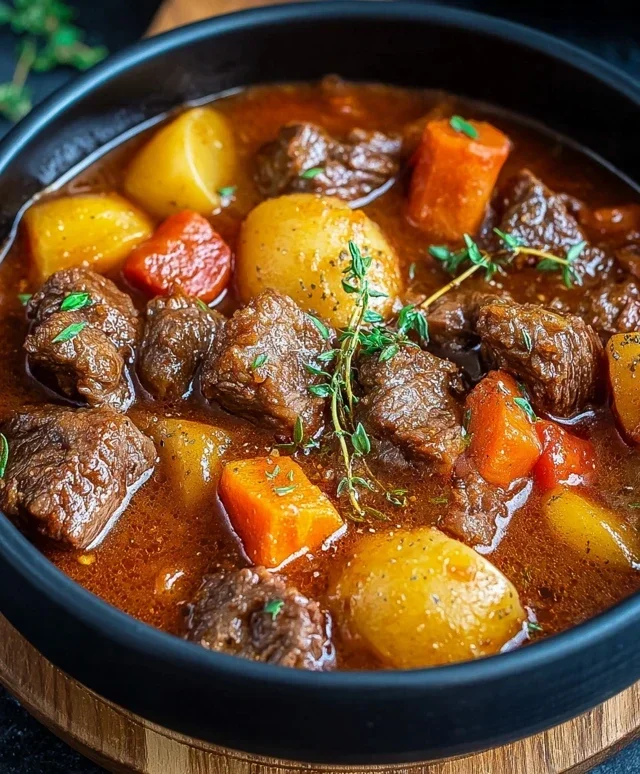
Homemade Beef Stew is more than just a meal; it’s a warm hug in a bowl, a culinary embrace that comforts and nourishes. There’s a primal satisfaction that comes from diggin extractg into a rich, slow-cooked stew, where tender chunks of beef meld with hearty vegetables in a deeply flavorful broth. People adore this dish because it evokes memories of cozy evenings, family gatherings, and the simple joy of a well-made, soul-satisfying meal. What truly makes our homemade beef stew special is the love and patience we pour into it. We’re not just cooking ingredients; we’re building layers of flavor, transforming humble components into something truly extraordinary. Get ready to create a legendary pot of homemade beef stew that will become a cherished tradition in your own home.
Homemade Beef Stew
There’s nothing quite as comforting and soul-warming as a big pot of homemade beef stew. On a chilly evening, or frankly, any evening that calls for something hearty and delicious, this recipe delivers. It’s a classic for a reason – tender chunks of beef, hearty vegetables, and a rich, savory broth that just begs to be sopped up with crusty bread. This isn’t your quick weeknight meal, but the time invested is absolutely worth the incredible depth of flavor you’ll achieve. We’re going to build this stew layer by delicious layer, ensuring every ingredient plays its part in creating a truly memorable dish.
Ingredients:
Cooking Instructions
1. Prepare the Beef for Searing
The key to a flavorful stew starts with properly preparing the beef. Begin extract by patting your beef chuck roast chunks thoroughly dry with paper towels. This step is crucial because moisture on the surface of the meat will prevent it from browning properly. Browning, also known as the Maillard reaction, is what develops that rich, complex flavor we’re after. In a medium bowl, toss the dried beef chunks with the Kosher salt and coarsely ground black pepper. Make sure each piece is evenly coated. Next, sprinkle the gluten-free all-purpose flour (or whole wheat flour) over the seasoned beef. Toss gently to coat each piece of meat. The flour will act as a thickening agent later, creating a luscious gravy.
2. Sear the Beef to Perfection
Now it’s time to get that beautiful golden-brown crust on the beef. Heat the olive oil or avocado oil in a large, heavy-bottomed pot or Dutch oven over medium-high heat. You want the oil to be shimmering but not smoking. Carefully add the floured beef chunks to the hot pot in a single layer, working in batches if necessary to avoid overcrowding. Overcrowding will steam the meat instead of searing it, which is exactly what we don’t want. Sear the beef for about 2-3 minutes per side, until deeply browned. Don’t rush this step; the browning is where a lot of the flavor magic happens. Once browned, remove the beef from the pot with a slotted spoon and set it aside on a plate.
3. Build the Flavor Base
Reduce the heat to medium. Add the chopped yellow onion to the same pot, scraping up any browned bits from the bottom – this is pure flavor! Cook the onion for about 5-7 minutes, stirring occasionally, until it’s softened and translucent. Next, add the minced garlic and cook for another minute until fragrant, being careful not to burn it. Now, add the tomato paste to the pot. Stir it in and cook for about 1-2 minutes, allowing it to darken slightly and caramelize. This deepens its flavor and removes any raw, tinny taste. Pour in the beef broth and the Worcestershire sauce, stirring well to combine and deglaze the pot, ensuring all those delicious browned bits are incorporated into the liquid.
4. Simmer and Tenderize
Return the seared beef (and any accumulated juices from the plate) to the pot. Add the bay leaf and the fresh thyme leaves. Bring the mixture to a gentle simmer. Once simmering, reduce the heat to low, cover the pot tightly, and let it cook for at least 1.5 to 2 hours. The longer it simmers, the more tender your beef will become. Check periodically to ensure it’s at a low, gentle simmer, not a rolling boil. You can also place the pot in a preheated oven at 325°F (160°C) for this braising period.
5. Add the Vegetables and Finish Cooking
After the beef has been simmering for its initial period and is becoming tender, it’s time to add the vegetables. Stir in the carrot chunks and potato pieces. Ensure they are mostly submerged in the liquid. If the stew seems a little too thick at this point, you can add a splash more beef broth or water. Continue to simmer, covered, for another 45 minutes to 1 hour, or until the vegetables are fork-tender and the beef is fall-apart tender. The potatoes will also release some starch, helping to thicken the stew further. Before serving, remove the bay leaf. Taste the stew and adjust seasoning with salt and pepper if needed. Ladle the rich, hearty stew into bowls and serve hot. This is particularly wonderful with a side of crusty bread for dipping!
Conclusion:
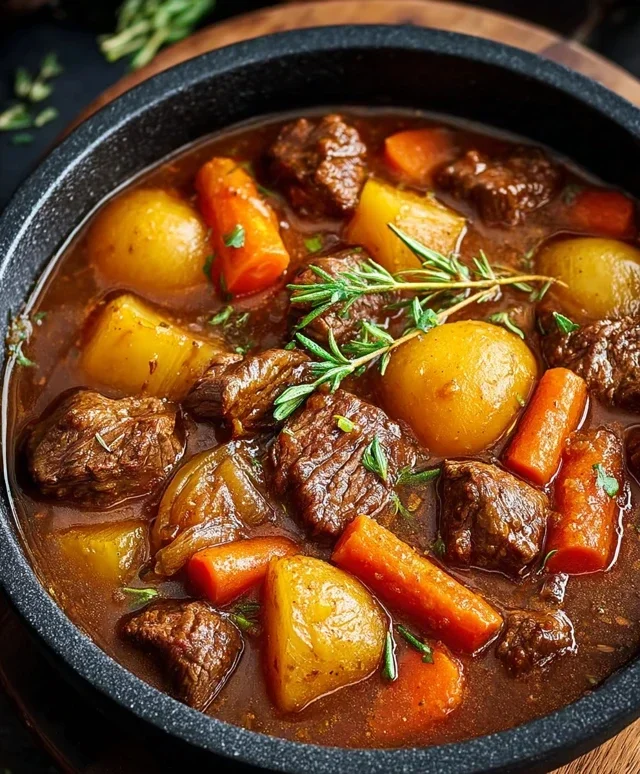
There you have it – a truly satisfying homemade beef stew recipe that’s guaranteed to warm your soul and impress your taste buds. This recipe isn’t just about a meal; it’s about creating a comforting and flavorful experience that’s perfect for cozy evenings or feeding a hungry crowd. The slow simmering process allows the beef to become incredibly tender, and the blend of vegetables and rich broth creates a depth of flavor that store-bought versions simply can’t match. It’s a classic for a reason, and now you can master it in your own kitchen!
Serving this hearty stew is a joy. It’s fantastic on its own, but incredibly delicious spooned over fluffy mashed potatoes, alongside crusty bread for dipping, or even poured over a bed of buttered noodles. For variations, don’t hesitate to experiment! Add a splash of red grape juice during the simmering stage for an extra layer of complexity, or incorporate hearty root vegetables like parsnips or rutabaga for added texture and flavor. You can also introduce different herbs like rosemary or thyme for a unique aromatic twist. I truly encourage you to give this homemade beef stew a try – the effort is minimal, and the reward is immense. Happy cooking!
Frequently Asked Questions:
Q: Can I make this beef stew ahead of time?
A: Absolutely! In fact, beef stew often tastes even better the next day as the flavors have more time to meld and deepen. Simply cool it completely, then store it in an airtight container in the refrigerator for up to 3-4 days. Reheat gently on the stovetop or in the oven.
Q: What kind of beef is best for stew?
A: For tender and flavorful stew, it’s best to use tougher, well-marbled cuts of beef that benefit from slow cooking. Chuck roast, beef shoulder, or even brisket are excellent choices. These cuts break down beautifully over time, yielding melt-in-your-mouth results.
Q: How can I thicken my beef stew if it’s too thin?
A: If your stew isn’t as thick as you’d like, you have a few options. You can create a slurry by whisking together a tablespoon of cornstarch or flour with two tablespoons of cold water, then stirring it into the simmering stew and cooking for a few more minutes until thickened. Alternatively, you can mash some of the cooked vegetables against the side of the pot to release their starches.
Homemade Beef Stew
A hearty and flavorful homemade beef stew, perfect for a comforting meal. This recipe is adapted for a non-alcoholic option.
Ingredients
-
2 pounds Beef Chuck Roast, cut into 2-inch chunks, excess fat removed
-
1 teaspoon Kosher Salt
-
½ teaspoon Coarsely Ground Black Pepper
-
2 tablespoons Gluten-free All-Purpose Flour
-
2 tablespoons Olive Oil
-
½ Large Yellow Onion, chopped
-
4 Garlic Cloves, minced
-
1 Large Carrot, cut into 2-inch chunks
-
2 Yukon Gold Potatoes, diced into 2-inch pieces
-
2 Cups Beef Broth
-
¼ Cup Tomato Paste
-
1 tablespoon Worcestershire Sauce (ensure non-alcoholic)
-
1 Bay Leaf
-
2 teaspoons Fresh Thyme Leaves
Instructions
-
Step 1
Pat the beef chunks dry with paper towels and season generously with kosher salt and black pepper. -
Step 2
Toss the beef with the gluten-free all-purpose flour until evenly coated. This will help thicken the stew. -
Step 3
Heat olive oil in a large pot or Dutch oven over medium-high heat. Brown the beef in batches, ensuring not to overcrowd the pot. Remove browned beef and set aside. -
Step 4
Add the chopped yellow onion to the pot and cook until softened, about 5-7 minutes. Stir in the minced garlic and cook for another minute until fragrant. -
Step 5
Return the browned beef to the pot. Add the beef broth, tomato paste, Worcestershire sauce, bay leaf, and fresh thyme leaves. Stir to combine. -
Step 6
Bring the stew to a simmer, then reduce heat to low, cover, and cook for at least 1.5 hours, or until the beef is tender. -
Step 7
Add the carrot chunks and potato pieces to the pot. Continue to simmer, covered, for another 30-45 minutes, or until the vegetables are tender. -
Step 8
Remove the bay leaf before serving. Adjust seasoning with salt and pepper if needed.
Important Information
Nutrition Facts (Per Serving)
It is important to consider this information as approximate and not to use it as definitive health advice.
Allergy Information
Please check ingredients for potential allergens and consult a health professional if in doubt.